Showing posts with label Dog training. Show all posts

Sunday, 10 March 2019

3 Tips To Be A Good Pack Leader


Why is it IMPORTANT to make yourself the Pack Leader in dog training?

Do you find that your dogs have behavioral issues, like barking at other dogs and biting your stuff? In these cases, it is most probably your dog thought that he is the pack leader, or maybe he is just confused about it.

But talking about dogs' nature (they are pack animals!), once you (the master) show the leadership, actually the dog is more than happy to be a follower!

Here I would like to share some tips to develop yourself to be the Pack Leader!

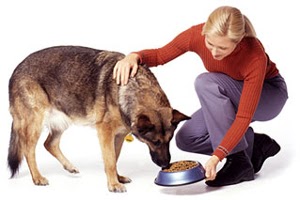
Tip #1: Take full control of his feeding arrangements


Your dog is not allowed to eat until you release. Be strict and eventually he will understand that: If I don't follow, I won't have food! Knowing that food is always the "ULTIMATE" goal for every dog, if you are able to show them that you are in control of their food, there is no way they cannot be listening to you. Bear in mind that you should control not only when to release food, but also where to feed them and you will feed them when they are behaving well!

Tip #2: Stay assertive during dog training


Take note that assertive is different from aggressive. Talk to your dog in gentle, but firm tone. Don't speak in cute way or in anger. If you know that your dog ignores you purposefully, stop first and come back later. Do not shout at your dog. Most of the time, shouting is useless but only hurting yourself. They can actually feel our love towards them. Likewise, they can feel also if we would allow them to do whatever they like. Dog training... is a matter of training them about discipline too!

Tip #3: Know your pack


We all love our dogs, aren't we? Understand and love them. Only when you know your pack and what fulfills them, then only balance is created. From there, we can formulate the dog training plan more effectively. It is like working in a team in our workplace. You got to understand everybody's personality before you can actually mix well with them. Balance the pack with your knowledge in dog training!

This is the fundamental and SUPER ESSENTIAL for dog training. Many people would say that dog training is difficult. But believe me, the key is at the - be the PACK LEADER!


Source:https://ezinearticles.com/?3-Tips-To-Be-A-Good-Pack-Leader&id=9070195

Friday, 22 February 2019

Does Secrets to Dog Training Work On Stubborn Dogs?


Is Secrets to Dog Training effective on really stubborn dogs? If you're reading this article, it's probably because you're at your wits' end with your dog, who insists on making his own rules.

He controls your behavior. He eats when he wants. He barks until he gets what he wants. He jumps on your furniture. He jumps on you when you come through the door. He jumps on your guests.

And he chews the heels off your favorite shoes.

In a nutshell, he's making your life a living hell!

Desperate Measures

In desperation, you typed into Google's search, "Secrets to Dog Training" or "Secrets to Dog Training Review" because you'd heard about this book and were wondering if it's really an effective dog training book for stubborn dogs.

What Is Secrets to Dog Training?

Secrets to Dog Training is a 256-page, downloadable eBook written by a professional dog trainer, Daniel Stevens. It's unusually detailed and jam-packed with ideas and techniques all the professionals use. It teaches you how to prevent and deal with some of the most common behavior problems like:

· Aggression with Other Canines
· Food Aggression
· Aggression with Children
· Pulling on the Leash
· Barking
· Biting
· Chewing
· Jumping on People
· Separation Anxiety

But wait. I digress.

How did I find out about Secrets to Dog Training?

I'll tell you a really short, but true story. When I got my first dog Lily, I was clueless. I didn't know she needed to be trained. I didn't know I was supposed to make rules. I didn't know Lily was supposed to follow my rules. I didn't know she was supposed to actually obey me.

My dog Lily walked all over me - until I got desperate.

I looked online for dog training books, but I didn't know what "training" my dog needed. I knew she barked all the time when I left the house. She "talked back" to me when I would tell her to get off my bed.

She jumped on my furniture, chewed my shoes and decided when she would eat. Basically, she ran the house. She was the leader and I was the follower.

Enough.

Back to my Secrets to Dog Training Review.

Who Wrote Secrets to Dog Training?

Secrets to Dog Training is written by Daniel Stevens, a veteran dog trainer. The book is published by Kingdom of Pets. The tips and advice Daniel Stevens gives are time-tested.

What Does This Product Do?

This book teaches you how to take command and make your dog respect you. It teaches you first and foremost how to be the alpha dog - which gives you confidence. It also trains you to behave differently with your dog so that he listens to you - not sometimes - but all the time.

Downloadable 30 Minute Video

Because this book comes with an easy-to-follow 30 minute video, you get to experience real-life examples of dogs behaving badly, and the principles of Secrets to Dog Training being put into action.

The video gives you real solutions to specific, difficult problems created by stubborn pets. Videos are always best because you get to see if you're implementing the techniques correctly.

How is the Book Layed Out?

The book starts off by providing new dog owners with advice on how to choose a puppy and from where to adopt them. It also guides the new or prospective owner on how to select a breed, breed information, how to proof your house and house training. It also talks about what to expect on your first vet visit and how to prepare for your visit.

Does It Address Stubborn Breed Problems?

Yes.

The advanced section covers hard to solve problems with certain breeds (hmmm... think Jack Russell Terrier) like aggressive behavior, dominance, chewing, digging, barking and jumping.

After dealing with tough to solve issues, the book then thoroughly discusses dog health care, such as what to do about allergies, fleas, heat stroke and more. Finally, the book covers advanced commands and tricks in masterly detail.

Does it Cover Dog Whispering?

To my surprise, YES.

The best part about this book is that it covers Dog Whispering in detail. In fact, there's an entire section dedicated to this method of training. In case you're not familiar with the concept, dog whispering is a method of dog training based on the philosophy of clear communication and mutual respect.

It's a newer method of dog training. But it's one of the most humane methods of dog training - right along with clicker training. You get step-by-step instructions for basic commands like sit, come, down, stay, quiet, etc.

But Does it Work on Stubborn Dogs?

Absolutely! Like I said, I now have 2 Jack Russells and I've used all of the techniques on my dogs. Jack likes to bolt out the door. This caused a dangerous situation until I started implementing the strategies in Secrets to Dog Training. I use the techniques on Jack and Jill all the time.

It works like magic.

And everyone knows how difficult Jack Russells can be to train due to their independent, bossy streak. I highly recommend this book. But there's one more thing I need to tell you about this product.

You Get Useful Dog Training Freebies

Sometimes people include free bonuses to enhance their product, which aren't useful at all. However, that's not the case with Secrets to Dog Training. With this product, you get useful freebies.


You get 4 bonus books on:

1. Advanced house training (troubleshooting including crate and paper training methods)

2. How to Stop Canine Aggression

3. How to Groom Your Dog (including a section on information on coat care for specific breeds, dental health care, nail clipping)

4. Dog Security Training (a beginning guide to train your dog on how to be a security dog)

5. A 30 Minute Dog Training Video (showing you live examples of dogs behaving badly and how to correctly give commands so that they listen)

What's more, you get a personalized email consultation with a dog professional from the Kingdom of Pets team. The team members are professional dog trainers who will take the no-fuss approach to helping you solve your dog obedience problems.

Here's the kicker.

The book itself only costs $39.95. For this price, you get a complete and detailed manual on training your dog, preventing and handling behavioral problems, and a whole bunch of general-knowledge tips and advice.

Secrets to Dog Training Review In a Nutshell

All in all, I'm impressed. Like I said, my first dog, Lily, was really a handful. And now, I have 2 Jack Russells that I trained using Secrets to Dog Training. And I've never had to hire a professional trainer because everything I need to train my dogs is in this book. I highly recommend it.

Want more dog training mastery? Would you like your dog to behave all the time - even when you're not home?  It will help you solve 20 of most common dog behavior problems of any breed, including barking, aggression, biting, digging, separation anxiety and more without the need to hire a professional dog trainer. It will also give you free information on dog health care so that you know how to take good care of your dog.

Review By:Shalisha Alston


Source:https://ezinearticles.com/?Does-Secrets-to-Dog-Training-Work-On-Stubborn-Dogs?&id=9163009

Wednesday, 5 December 2018

Five Ways To Get Your Dog's Attention


One of the most common problems I see among dog owners is the issue of how to get their dog to pay attention to them. You can be the best trainer in the world, but if a dog won't look at you, who cares? Here are some tips on how to engage your dog and make training much simpler.


1. Be something that your dog WANTS to look at. Easier said than done? Quite possibly. But it's so important to remember that we are always competing with the environment for our dog's attention, and if we are not making an effort to be interesting, most likely the environment will win that battle. When I am working with a dog, I communicate as if I am talking to a child - with enthusiasm, purpose, and wonderment!! I am so excited by the world! Simply changing my tone of voice will often be enough to get a dog's attention, but I also use body language and movement as well. One thing I've learned in my experience as a trainer - you have to be willing to make a little bit of a fool out of yourself if you want to train a dog. They will always pay more attention to the person who is being a little bit of a goof - use that to your advantage!


2. Reward correctly and frequently. There is a chain of events that I see all too often in the context of human-dog interactions and it goes a little something like this: Dog does something bad, the owner calls the dog over, dog comes to owner, dog is reprimanded for bad behavior. Perhaps this seems like a reasonable chain of events, but what is actually happening here is that the dog is being punished for coming to the owner and paying attention - not for the behavior that the owner thinks he is reprimanding. Over time, the dog learns that "Dog! Come here!" means "I am mad and something unpleasant is happening!" and the dog chooses to ignore requests for attention. Obviously, this is not good or what we have intended. Instead, if you want a dog that really pays attention and comes when called, it is essential to make it rewarding each and every time. This can mean food rewards if you desire, but praise, affection and play will also suffice. Just make sure that whenever your dog responds to your command for attention, you make it worth his while.


3. Practice engagement training. Engagement training is exactly what it sounds like - training your dog to engage with you. I love working on engagement training... it is a lot of fun for handler and dog alike. Some dogs are just naturally attentive and engaged with their owners... but most aren't! And though many people will spend massive amounts of time teaching a dog a library of commands, they don't spend time training the dog HOW to be engaged, which is the most important part of dog training in my opinion. This kind of training teaches the dog to check in with you frequently, and that it is more rewarding to pay attention to you than to the environment.


4. Put it on cue. Though we hope that your dog is already checking in with you frequently and giving you lots of eye contact, it is still important to have a solid "watch" command for emergencies and whatnot. Take the time to train this command reliably in your dog. And don't overuse it! I see it all the time - the owner is begging the dog to "watch... watch... watch!... WATCH!!!! WAAAAATCHH!!!!!!" and the dog is completely oblivious. If that is happening with your dog, then your dog does not know what this command means and you need to start training it again from the beginning... preferably using a different word as a cue. The word "watch" has become synonymous with "ignore me".

5. Set it up for success. Don't expect your dog to give you rock-solid attention at all times without taking the time to train and cultivate it. This means starting your training in a low-to-no distraction environment and working up to more and more distractions. Don't start in the middle of a crowded dog park and expect your dog to be 100% engaged. Time and training are required!


Source:http://ezinearticles.com/?Five-Ways-To-Get-Your-Dogs-Attention&id=9404855

Sunday, 25 November 2018

Dog Training: How To Train Your Dogs Easily


Keeping a dog at home is something fun and interesting. Studies have shown that having a little pet at home can make your life fun and at the same time, release your stress and pressure from work.

Getting a pet dog is easy to do, but taking care and training him is another story. Most people would love to have a dog as a pet, but when it comes to taking care of the dog or training him, the owners feel challenged.

In this article, you are going to discover the 5 tips on how you can train your dog easily.


You can learn how to teach him to come to you when called. You can ask him to stay quiet, to give you his paw and do 'handshake', or even request your dog to crawl.

Here are the 5 tips that you must apply...

1. Create a training schedule

Do you know that training a dog requires a proper schedule? The more strictly you follow the schedule, the better the result and the quicker your dog will learn what you have to teach him. This is because when you have a schedule, your dog will be better prepared and expected to be trained by you.

2. Use the right reward


Using treats as rewards for your dog is extremely important during a training session. Praising your dog and giving him a pat on the head is just not enough. Most dogs love to eat and if you use the right treat that they love, they will follow through what you ask them to do.

3. Use a clicker only when necessary

Some dogs are not as obedient and they will never listen to you. If that is the case, choose to use a clicker. It is always better to train your dog without using a clicker. Why? The answer is that you do not want your dog respond to you only when the clicker is there. You want your dog to follow your instructions, not the clicker.

4. Start small and train


Try to train your puppy when you brought him home. You do not have to wait until he is 3 months old only to teach him. Your puppy will basically learn every move you make and try to understand your interaction with him. So start small and train when it is just a puppy.

5. The key to great dog training is patience

This is where most people are going to give up and quit. At first, they feel fun and interesting to teach their dog to do army crawl. However, after some days and their dogs still don't get it, they started to lose hope and give up. Training requires a lot of effort and patience. This is especially true if you are not a good training and you do not show that you are the pack leader to your dog.

However, never give up and continue to train. Stick to your schedule and try to improve from time to time. You will only get better and eventually, your dog will understand what you want him to do.

Conclusion


Training a dog is something fun and interesting to do, but it may not be as easy as you think. You should always start from easy and simple training such as command your dog to come to you when called or teach him to sit when requested.

Once you have successfully taught your dog the basic and simple command, only then you bring it to the next level.


Source:http://ezinearticles.com/?Dog-Training:-How-To-Train-Your-Dogs-Easily&id=9460546

Monday, 3 September 2018

Training A Dog Correctly


You may have thought you were going to be bringing a nice calm dog to your house, though in reality your dog is more like a wild, hyper animal! Luckily, it just takes some elementary dog training to help your dog understand what sort of behavior is expected.


Obedience classes can be beneficial for dogs that seem to be especially hard to train. The instructor can give you ideas about how to handle problems like not listening, and excessive barking.

Choose treats that are high-quality and favoured by your dog for the best training results. It can even be an extra special treat you give your dog, such as real bacon, hotdogs or even cheese.


Walking on a leash is a big step in your dog's training. This is both for the dog's safety and your own, as well.

If you find your young puppy chewing something, firmly say no, then remove the item from him. By doing this, you are teaching him what is okay to chew on.


Pick a consistent phrase to use with your puppy while house training. Say to the dog a known phrase, like "go potty!", every time you go outside, this will help your dog keep the goal of going outside in mind.

Don't allow your dog to stubbornly decide which commands he will pay attention to. If you are not willing to force a particular demand on your dog, do not give that demand at all.

Don't start a training session if you don't think you'll be calm and patient throughout. You will need to be patient with your dog, or they will become impatient and their attention will be focused elsewhere.

If you are thinking about hiring a professional dog trainer, conduct a thorough interview and ask for referrals. Different animal behavior specialists use different practices. They also have varying opinions on what is best for your dog. You want to be certain that the trainer you go to employs practices that you are comfortable with.

Dogs have the uncanny ability to have single-minded focus when something catches their attention. When your dog recognizes his attention command, you`ll be able to train him to ignore nearly everything.


Always take your dog for a nice walk before leaving for a period of time. Wearing him out may minimize his anxiety at being separated from you.

You will be amazed at the results once you start applying these tips. Try some of the tips above if you feel a strain on the relationship between you and your dog.


Source:http://ezinearticles.com/?Training-A-Dog-Correctly&id=6801154

Wednesday, 29 August 2018

What Are the Most Important Dog Training Basics?


Can you think of the day when your puppy first came to your house and it was just looking around the house, like a little lost soul, your first desire is to pick the puppy and hold it. Dogs are definitely man's best companions and they bring much happiness and cheer to life.

Dogs can be taught anything - the only thing that has to be kept in mind is that it should be done in the right way. Dogs always adapt to the family in which they are living and become part of the family. They are great as companions and as far as faithfulness and loyalty is concerned they are known for it.

An important step in dog training basics is to establish a routine with your dog. Dogs love routines and follow them so make sure you have a set routine with your dog. Designate a specific time for everything. In the beginning, take them out 3-4 times to urinate. Your dog should know that this is the time for it to do potty or urinate.

Set a routine for daily walks as this not only enables your dog to exercise but also establishes a healthy routine and your dog will look forward to this routine. Make sure that you do this regularly and also do it around the same time.


When it comes to dog training basics one of the most important things is that you should use positive methods. When the dog does something you want him to do, use appreciation or patting or a treat as reinforcement. However, do not overdo the treat method or it will always expect a treat when it does something.

When rewarding your dog always remember timing is very important. Reward the dog immediately after he has done the action so he knows that he will get a reward when he does a certain action. Keep the instructions short and sweet. Use short sentences to instruct.

Be consistent with your command-make sure every family member uses the same word to command. Use positive reinforcements when the dog behaves himself like not jumping at people.


Source:http://ezinearticles.com/?What-Are-the-Most-Important-Dog-Training-Basics?&id=3472604

Tuesday, 24 July 2018

Dog Training Like The Pros, Easy & Effective Puppy Training Tips...

Basics of Dog Training

It's essential for Dog parents like you to know certain basic factors that determine your relationship with your Dog and can go a long way in training him effectively.

Before you begin training your Dog, it is absolutely essential that you build a loving bond with him. This is important as it helps you to understand his needs and instincts and also allows your Dog to have complete trust in you.

Let us see how.......

How To Bond With Your Dog


Building a bond with your Dog is the first and the most crucial step involved in training him successfully. As soon as you bring your Dog home, you must first try to develop a caring and loving relationship with him in order to win his trust and confidence.

When Dogs are secure in the knowledge that they belong to the family, they are more likely to respond better to their owners' training commands. Just like with any relationship, there must be mutual trust and respect between you and your Dog.

Trust takes time to develop and respect comes from defining boundaries and treating any breach of those boundaries with firmness and fairness.

Without enforceable limitations, respect can’t be developed. And when there is no respect, building a bond with your Dog is almost impossible.

4 Golden Rules To Building A Relationship With Your Dog :


  • Spend quality time together;
  • Take him out into the world and experience life together;
  • Establish and promote a level of mutual respect; and
  • Develop a way of communicating to understand each other's needs.
Building a bond with your Dog will not only help you manage him better but will also make your Dog calm, quiet and an extremely well-adjusted pet.

Love Your Dog and He Will Love You back

Once you're successful in building a bond with your Dog, you can rest assured that training him and teaching him new and clever tricks will be a cakewalk.

How Your Dog Learns...

Your Dog's learning period can be divided into five phases:

The Teaching Phase - This is the phase where you must physically demonstrate to your Dog exactly what you want him to do.

The Practicing Phase - Practice makes Perfect. Once a lesson is learnt, practice with your Dog what you have just taught him.

The Generalizing Phase - Here you must continue practicing with your Dog in different locations and in an environment with a few distractions. You can take your Dog out for a walk, or to a nearby park and command him to practice whatever you've taught him.
Practicing the learned lessons in multiple locations and in the presence of small distractions will help him learn and retain lessons better.

The Testing Phase - Once you're sure that your Dog has achieved almost 90% success....he responds correctly almost every time you give a command, you must start testing his accuracy in newer locations with a lot of distractions.

Example: Take him to the local shopping mall and ask him to obey your command. He may not come up with the correct response the very first time you do this, but you must not lose hope.

The idea is to test your Dog to see how he responds in an environment which is new to him. Set-up a situation where you are in control of the environment and your Dog.

There are only 2 possibilities:


  • Your Dog succeeds!!! (Trumpets please!)
  • In case your Dog fails, re-examine the situation. Review and/or change your training. Then try testing again.
Keep on testing until he succeeds. Follow the rule of the 3 Ps – patience, persistence, praise.

Internalizing Phase - Finally, comes the extremely rewarding phase where your Dog does everything he is taught to do even without your commands.

Remember:
  • Never scold your Dog if he fails. It's not his fault. You have failed as a trainer!
  • You must be patient and persistent for your efforts to show rewards.
  • Appreciate and love your Dog when he does it right! A little encouragement will work wonders for your Dog.

Tuesday, 26 June 2018

Dog Training Can Eliminate Problems


Part of being a responsible dog owner, and in loving your pet, is training your dog. Behavior problems can be reduced or eliminated entirely when a pet owner takes the time to learn proper dog training techniques.

1. Get Advice From Professional Training Sites

Before you begin training your pet, do some research. One excellent way to gain the information you need is to review dog training sites online. There are a multitude of quality dog training sites that offer all the information you need to begin training your dog.

2. Set Realistic Goals

If you bought and brought your dog home two weeks ago, don't expect it to be trained within the month. Proper training means you're giving your pet enough time to adjust to his surroundings and to adjust to you. Once he or she feels comfortable, he or she is more open to dog training.

3. Be Patient

Once you begin training your pet, it's important to be patient. This ties into setting realistic goals. Your dog can be trained, but not all dogs are the same. Some pets learn faster than other pets. Be patient and realize that with persistence, the training will come.

4. Don't Forget About The Rewards


Whenever your dog makes progress, be sure to give a reward. One typical reward is a healthy treat that your dog loves, however an abundance of praise can accomplish the same effect for your dog.

5. Keep Track Of Your Pet's Progress

It's fun to see how far you've come with dog training. The easiest way to do that is to keep track of your pet's progress. Purchase a notebook and maintain a log of what you are training your dog to do. Record the dogs progress as well as whatever he or she has mastered.

6. Don't Forget A Proper Diet And Exercise


A dog is more amenable to training when he or she has been nourished. Don't forget to feed your dog a good diet to keep him or her sharp and alert. In addition, make sure your dog is getting the proper amount of exercise. Just like with humans, a healthy diet and exercise make for a healthy dog who is ready to be trained.


Don't forget to have fun. Dog training is serious, but don't overdo it. Reserve time to get down to business, but be sure there's plenty of time for love and playtime, as well.


Source:http://ezinearticles.com/?Dog-Training-Can-Eliminate-Problems&id=8954132

Friday, 22 June 2018

Have Your Children Help With The Dog Training

It is not uncommon to hear about some dogs who feel like they need to compete with the children who live in the home instead of listening to them. Those who want to avoid this problem should have their children help out with the training process as soon as they get the dog. Not only does the dog learn to respect each child, but the children will learn how to care for the dog.

Before you decide to allow a child to help with the dog training process, it is important to consider whether your child is ready for that type of responsibility or not. If the child is too young, it may not be the right time to include him or her, but it will depend on how well the child acts around the dog. After all, most dogs prefer to spend their time with children because they love to play and are usually not nearly as demanding as the adults. If you notice that all of your children love spending time with the dog, they may be ready to get involved with the training process.


It is important to consider how your dog acts as well. If you have recently adopted a puppy from the shelter, it is the perfect time to start training with the entire family so that everyone can get involved. Even if you trust that the dog will not do anything to harm your children, you should always remain in the room with them while they are helping with training.


There are certain things that children can begin teaching to the dog right away, such as basic commands. Teaching the dog to sit when instructed or to get down instead of jumping are two of the commands that your children can start with. They can even work on leash training with your supervision. Of course, you will need to get involved as well to ensure that the dog is following these directions and eventually gets the hang of those commands.


Children can often have a good time teaching a dog how to play with different types of toys. When the dog does something that he or she was directed to do, you or your children can offer a nice treat to the dog by rubbing its belly or playing a game of fetch. While you can give your dog treats, it may not be the best idea to leave that up to the children because some dogs can easily snatch treats away from them.


Make sure that your dog is always being respectful to the children. A dog will become respectful after it starts learning obedience. If you are planning to go to a professional dog training class where you can get the extra assistance, you may even want to bring the children along with you.


Because your dog will be a member of your family, it is wise to have all of your children involved in training it. The training process does not have to be frustrating and grueling. In fact, it can be a lot of fun and your children can do very well with it when everyone gets involved.


Source:http://ezinearticles.com/?Have-Your-Children-Help-With-The-Dog-Training&id=8901671

Monday, 21 May 2018

How to Calm Your Hyper Dog


All dogs have different dispositions and some are more hyper than others. A hyper dog can be a challenge for their owner. A hyper dog's behavior can range from excited to frantic. This can cause a disruption in the home, when you go for walks and when you encounter other people and animals.

When dealing with your hyper pet you need to remain calm. Dogs can sense when you're frustrated or angry. They know when you're nervous or excited. Any of these emotions can be a trigger, making your dog, more hyper. Projecting a sense of calm, can help to calm your hyper dog.

Here are some other ways to calm your best friend and relieve some of its energy:

Dogs Need Mental Stimulation


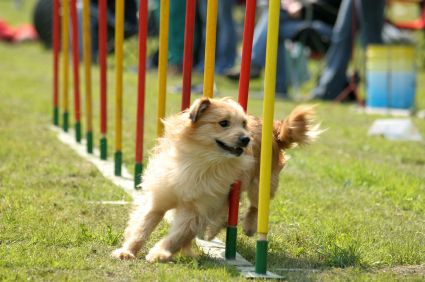
Find ways to redirect your dog's energy. Some people have found that toys and exercise can help calm a dog. Long walks can help relieve built up energy and help a dog calm down. Agility training has also been known to help stimulate a dog and calm hyperactive behavior. These are all activities that provide mental and physical stimulation.

Obedience training also provides mental stimulation, while teaching proper behavior. Not only will this training help calm your dog, it will also help you learn how to be calm around your dog. When you learn how to be calm, you can teach this technique to your family and friends.

Get Everyone To Help

A common problem people have when trying to calm their dogs is other people causing the dog to become hyper. If there are people who spend a fair amount of time with your pet, you should get them to help. If someone is always excitable or angry or frustrated around your dog, they can erase all of the hard work you've done in seconds if you don't take control.


Make sure everyone you know, understands your dog needs a calm environment. Then work on teaching your pet how to interact with others. If your dog is used to running into the room and jumping on your neighbors or nipping at your kids, then you have to train them not to do that. This training will help the dog be calm, because it will, in time, learn what is expected of them.

Make Sure Your Dog Gets Regular Exercise

While all of the training and playing may help to calm your dog. It won't help if your dog is not getting regular daily exercise. It's important to take your dog for long walks and allow them to burn off that excess energy. Dogs need more than a few minutes out to get the exercise they need.


You can supplement your walk with trips to places where your dog can run off-leash. Regardless of the type of exercise, the most important thing is consistency. Walking, hiking, skating, and even biking are possible while walking your dog. These activities give you and dog a chance to bond, while both of you get a great workout. And best of all when you're done and go home, you'll have a calmer dog.


Source:http://ezinearticles.com/?How-to-Calm-Your-Hyper-Dog&id=8808304

Thursday, 26 April 2018

5 Dog Training Tips


There are several different things about dog training that are just real and should always be done if you want a well behaved and well-adjusted dog. We are going to talk about what I think are 5 of the most important dog training tips.

1. Repetition

Dog learn by repetition so it is very important that you repeat things over and over so that they catch on. If you stop and think about that statement for a minute it will actually make sense because it is the same for humans. The more we do a particular task the better we get at it, hopefully. Well it is the same for a dog.

2. Patience

To be able to train a dog you need a bunch of this one. Yes you just can't lose your patience with a dog because they don't understand and quite often will simply shut down. They are really good at reading your body language and your tone of voice so don't lose your patience.

3. Time

Your dog needs time with you. A dog that lives in the backyard and gets very little or no human contact daily is always going to be a problem dog. Your dog needs your time. It needs to know that you care about it so show that you care by spending time and playing with your dog so that you develop a great relationship.

4. Exercise

Dogs need exercise. In fact I have always said that a trained dog is a happy dog and an exhausted dog is even happier. If you want a happy dog make sure that it gets plenty of exercise. Go for long walks, go swimming or even retrieve a ball anything to get your dog up and moving. Actually it will be good for both of you.

5. Health Care

This is an important part of the agreement you have with your dog. You need to take care of all it's health needs by giving it routine vet check-ups as well as keeping it current on all vaccinations and heartworm medication. Keep in mind that most likely at some point in your dogs life there will be a major illness or injury that you will need to plan for now by putting a little bit a way each month into your dogs health savings account so that you will be prepared. Another maybe easier option is to by some doggy health insurance.

Keep in mind that you simply will not have a well-trained dog if it isn't well.

If you will follow these dog training tips I think that you will have a well trained happy dog that will want to do whatever it takes to make you happy.


Source:http://ezinearticles.com/?5-Dog-Training-Tips&id=8667377