Showing posts with label dog. Show all posts

Wednesday, 19 December 2018

The Threat of the Parvovirus to Your Pet


How Harmful Is The ParvoVirus To Your Pet

Not so many years ago, a pet was still regarded as "just a pet", but over the past 30 years or so that perception has drastically changed. Pets have become invaluable companions for single people; research has shown that kids with who take care of pets are more socially competent and have greater role-taking skills; it has been shown that hospitalized or otherwise incapacitated patients respond positively both physically and psychologically when exposed to pets; the role of pets (especially dogs) has expanded from seeing-eye dogs to assist people with disabilities in almost all aspects of day-to-day living; pets have even been used to assist in the rehabilitation of the incarcerated who have been or are about to be paroled.

It is no wonder, then, that the beloved pet has become another member of the family, so much so that complete industries have grown rapidly to accommodate their needs. There are numerous pet sitters, pet hotels, boarding kennels, pet airport facilities, pet specialized nutrition establishments, pet spas and salons (for grooming, bathing, etc.), even pet luxury resorts, pet cemeteries and on and on. There is even insurance to cover pet health care, since it is estimated that every six seconds a pet parent faces a vet bill in excess of $3000. So it is extremely important to make sure that your pet is always in the best possible health and that pet owners remain informed about any and all threats to their pet's health.

One such threat is the Canine parvovirus type 2 (CPV2, more commonly called parvo) which is a contagious virus mainly affecting dogs, but thought to originate in cats. Wikipedia reports that parvo mutated from the feline panleukopenia into CPV2, and is highly contagious, spreading among dogs by direct or indirect contact with their feces. This virus can also be spread cross-species, from cat to dog and vice versa, and by persons, animals or anything coming in contact with infected feces. The virus is very resilient and can survive for years in your yard, on your carpet, in the dog's bowl and in just about any environment. If left untreated or not caught in time, the pet mortality rate can be as high as 91%. That is not a mis-print! Treatment often involves veterinary hospitalization and can be quite expensive. The good news is that vaccines are available and can prevent or treat this infection. There is no evidence that the virus is harmful to humans.

Symptoms

Dogs may not become ill until three days to a week after the virus attacks their immune systems. When that happens, they become lethargic and stop eating and drinking. Shortly thereafter, they begin to vomit and have diarrhea which leads to dehydration that upsets the electrolyte balance which in turn can result in a fatality to the dog. When their immune systems become severely compromised, dogs are prone to other infections as well. The normal intestinal lining is also compromised allowing blood and protein to leak into the intestines causing anemia. Endotoxins escape into the bloodstream, causing endotoxemia. Dogs develop a distinctively foul odor in the later stages of the infection while the white blood cell levels fall, further weakening the dog. Any or all of these factors can lead to shock and death.

Treatment


Survival rates depend on how quickly CPV is diagnosed, the age of the pet and aggressiveness of the treatment. Treatment usually involves extensive hospitalization, due to the severe dehydration and damage to the intestines and bone marrow. A CPV test should be given as early as possible if CPV is suspected in order to begin early treatment and increase survival rate if the disease is found.

More comprehensive treatment also consists of crystalloid IV fluids and/or colloids, antinausea injections, and broad-spectrum antibiotic injections. Antinausea and antibiotic injections are given under the skin, into the muscle or intravenously. The fluids are typically a mix of a sterile, balanced electrolyte solution, with corresponding amounts of B-complex vitamins, dextrose and potassium chloride. Analgesic medications are sometimes used to counteract the intestinal pain or discomfort caused by frequent bouts of diarrhea and vomiting.


Once the system stabilizes, the IV fluids are gradually discontinued, while bland food is slowly introduced, first intravenously and then orally. Oral antibiotics are administered for a number of days depending on the white blood cell count and the health of the patient's immune system. A puppy or infected adolescent dog with minimal symptoms can recover in as little as 2 to 3 days if the symptoms are noticed early and the CPV test confirms the diagnosis. In more severe cases, pets can remain ill from five days up to two weeks, and even with hospitalization, the mortality rate can still be very high.


Source:http://ezinearticles.com/?The-Threat-of-the-Parvovirus-to-Your-Pet&id=9307335

Saturday, 6 October 2018

A Clicker Trainer Is a Quicker Trainer


I am always looking for better training methods in my work with dogs. Not only do I look for the fastest way but also the easiest way for the dog to understand what I want. If you put yourself in the position of the dog you will see that pushing, pulling and even talking, praising and petting can actually make it confusing and more difficult for them to learn. It certainly makes it harder for the dog to differentiate exactly what the cue is to perform a particular action.

The truth is that your dog is often trying so hard to figure out what you want it gets confused if you're not clear and concise with your training. What your dog really needs when you train is consistency and for you to do the same thing twice. That's why clicker training is the most effective training method.

For the uninitiated, the clicker is just a small handheld noisemaker, which has a metal strip that makes a distinct "click" when pressed and released. The trainer clicks at the exact moment the dog has properly performed the behavior we're teaching. Since the clicker is a unique sound to the dog it presents a fabulous learning moment and speeds us to that "ah ha" moment, that "light bulb goes off moment" where the trainer and dog are in such synchronicity and rhythm that you can actually see the dog "get it".


For this all to come together, the dog needs to know that the sound of the click signifies that they did something right, that we like what they did, and that a reward is coming. You should notice after several repetitions of a click and treat that the dog responds to the sound of the clicker by looking at you. Many people inadvertently think this is because we are clicking to get the dog's attention. But if you've properly introduced the clicker what's really happening is the dog is looking at you after the moment of the sound because it's made the association that the click has not only identified the proper action or behavior but more importantly, that the rewards of praise and a treat will follow.


Let's begin our training with teaching our dog to sit on command. The first step is to get the dog to actually sit and let it know that it did what we wanted. With most dogs, it will be easy to lure them to sit by guiding a treat slightly above their head. Also, we aren't going to give a verbal command, just get them to sit. If it doesn't sit, move the treat a little up or down or forward or behind their head. Remember that the click is going to mark the right response from the dog so the instant their butt hits the ground you should click, praise and give them a treat. If you want to teach the dog to stay seated you can click and treat again before the dog gets up.

The second step is to get the dog to perform reliably when we want them to and this is why it's extremely important to incorporate praise into the process. We certainly don't want our dogs to mind us only when there is food. So my first rule in training with food is that we always praise our dog right before we give the treat. The key thing to remember at this stage is click/praise/treat in that order...every time. My second rule is to make the food rewards intermittent and to use them every second or third time. This is often referred to as fading the treats or fading the lure.


For now we are going to give a treat every time. Figure on a rate of about 10-15 treats a minute for beginning training to keep the dog's interest. As the dog learns you can reduce the amount of treats but we never actually stop giving rewards entirely. Just as we like being recognized for a 'job well done,' so does your dog.

The third and final step is to put the behavior on cue or on command. At this point, we can start using a "sit" command because we are sure we can get the dog to perform reliably every time we give the hand signal. If you've done everything right so far you have already taught the dog a hand signal for sit when you raised your hand above the dog's head. The proper time to give a command is right before we get the desired behavior from the dog, so in this case right before we lift our hand is the right time to say "sit". Of course we still click/praise/treat when the dog sits on our command as well.


Working with a clicker is the best method for simply, quickly and effectively training almost any dog. It takes a little more work and coordination initially, but in the long run it's faster and easier for both you and your dog. Even if your dog already knows some commands or has prior training, using a clicker will still serve to speed up and perfect its responses in addition to helping eliminate any past training mistakes or confusion. It's also fun and a great way to bond with your dog that wants nothing more than to interact in a positive way with you. You're in this together and with proper clicker training you'll both reap the rewards for many years to come.


Source:http://ezinearticles.com/?A-Clicker-Trainer-Is-a-Quicker-Trainer&id=5471313

Friday, 5 October 2018

Making Playtime Into Lesson Time - Teaching Your Dog To Come


Teaching your dog to come is one of the most important lessons they need to know and should be one of the most fun and easiest for you to teach. Your goal is to reward your dog when it comes to you NO MATTER WHAT. Always be happy and work towards making sure there isn't a shred of doubt in your dog's mind as to whether it should come.

Years ago one of my clients told me that her dog ALWAYS came to her...EVERY time. Even at the dog park and even from 95 yards away. I knew that this couldn't have been the case because if it were true her dog certainly wouldn't have needed training. As it turned out the dog did always come but never came close enough to hold and put the leash on. In the dog's mind, it was much more fun to play 'chase' and very unpleasant to be caught and taken home. This is why it's crucial to make it fun for the dog to get to you. In a dangerous situation you may need to get a leash on your dog and get it to safety quickly so you don't want any hesitation between your command and your dog's reaction.


The first and most important part of the training is that your dog comes the last 3 feet and let you put your hands on it. Start by having fun with your dog, petting it for 30 seconds to get it excited and happy and then run back about 4 or 5 feet and just stand there. If you've done it right your dog will naturally want more and come running to you. When it does come to you reward it like crazy then repeat the exercise two or three times. You don't need to give your dog a command yet, just make a big game out of 'Pet, Play and Run' until it catapults to you every time you move away. Do this for at least 20 three to five minute sessions for about a week.

When you see that your dog's response is good and solid it's time to add the "Come" command. Only say the command once but if you've laid a strong foundation your dog will come to you fast and happy every time because you have made it really fun. Remember to keep up the praise and rewards.


What to do if your dog absolutely won't come? Put it on leash so it can't get distracted and use food or a toy not only as motivation but also as a reward when it gets to you. If you do this, make sure to pet and play with your dog really intently before giving it the food or the toy. With some dogs, it's also helpful to have them sit and stay right near you. This will help keep their focus and prevent the over exuberant dog from jumping on you.

Another good practice can take place at mealtime. Hold the dog's food, call the dog to you and run backwards. Praise and pet your dog when it gets to you and then give a little food. As soon as they finish the food, tell them "Come", run back and repeat the sequence. After several repetitions just let them finish the meal. We call that a 'jackpot reward' and you can 'jackpot' the dog at random times during training to make the dog think the extra special treat is coming the next time.


There is an important element in teaching your dog to come that shouldn't be overlooked. If the dog doesn't come the first time you call it DO NOT repeat the command. By repeating "Come" until it executes the task, you're actually weakening the opportunity to reach your goal which is for the dog to respond immediately to the command.

So keep these tips in mind during your training:

· The "Come" command should always be seen as practice and not  a test

· Only practice in a way you know will be successful

· Don't ever repeat the command

· Don't give any cause for the dog not to come all the way to you

· Reward your dog every time it follows the command


Because the "Come" command will be used in many different situations you'll want to start adding some variations to the training sessions that are still fun for your dog to learn. A good exercise when you're on a walk is to give the "Come" command at unexpected times and then run away. Your dog will learn to react immediately to the command and come to you at lightning speed. Keep surprising your dog with the command and gradually increase the distance you run away. When your dog becomes proficient at this there's nothing like a playful game of "Hide and Seek" which makes your dog work harder to find you.


Another way to increase your dog's reaction and speed is to do a 'restrained recall'. Have a friend hold your dog by its collar or leash then run and call it like you have been doing. The dog might struggle to get to you and that's ok. The goal is to get your dog to really want to get to you so don't have your friend do anything to prevent it from pulling during this exercise. When you call the dog make sure your helper knows to drop the leash right away and let the dog come to you. While your dog is coming you'll want to encourage it by clapping, urging, praising and smiling.

The key to teaching your dog to come reliably is to build on a foundation of repeated success and never let your dog learn the wrong response to the command. It should never be unpleasant or perceived by your dog to be punishment when you call it and, just as importantly, it shouldn't be more fun for your dog to learn to defeat you and stay away.


Some things to remember include:

· Don't call your dog to punish or reprimand it

· Make sure that "come" isn't followed by something unpleasant such as ending playtime at the park or calling your dog into the house and immediately crating it and leaving

· Don't make a game out of the dog staying away from you

· Never make it fun for the dog to get you to chase them

It takes time and consistency to properly teach your dog the "Come" command and it's important to practice it over and over in lots of different settings. Make sure you never give your dog a reason not to come and, most of all, make it a fun and rewarding experience when it gets to you. Your dog is a subjective, living, thinking being and no matter how well trained or how obedient, there is ALWAYS a chance that your dog might not come. Remember that there might be a distraction more enticing and more appealing than you. It's important to never assume your dog will come and instead take the necessary precautions to keep your dog safe.


Source:http://ezinearticles.com/?Making-Playtime-Into-Lesson-Time---Teaching-Your-Dog-To-Come&id=6551524

Monday, 1 October 2018

Tips For Bath Time Fun With Your Pets


Pets hate baths, period. There may be some dogs that could come to love bathing, but then again they are quite rare. There is nothing worse than a bath for your pets. Most doggies simply hate getting wet.

Although bathing is a big problem for your puppy, there are some ways to make your puppy fall in love with the entire process of bathing. Here are some tips for turning the disastrous bathing time into a pleasure time for your dog:

Invest in pet-friendly products

The worst thing you can do to your puppy is to offer them products, which do not suit them. Some products may irritate your dogs or cat's skin and some may make your pet itch. To make sure that your dog has the best bathing experience, invest in some good products, which suit your doggie's requirements to avoid discomfort for your dog.

Anti-Slip Mats


Once you begin bathing your pet, your pet's paws and the floor will become wet. The pet may accidentally slip and hurt itself. And as pets' behavior goes, then to get a bit too excited and begin running. Running on slippery floors will turn out drastically dangerous for your pet and may cause them to get hurt.

Bathing Accessories


To make your dog's bathing experience especially enjoyable; invest in good bathing designer pet accessories. Offer them the best bath care you can afford. Trying getting them comfortable towels and robes. Comfortable towels and robes will allow your pet to feel your love and will help them calm down after the bath.

Clothes

Depending on the time you wish to bathe your dog, buy apparel sets. If you tend to bathe them in the evening, get them cute pyjamas and shirts to set the mood. However, if you bathe the pet in the afternoons or mornings, get them day clothes, which go with their style.

Grooming Products


The bathing experience for your dog will always be incomplete if you do not invest in good grooming products. Offer your dog or cat the best hair conditioner and best brushes. There are some products, such as the flea removal comb, which helps the owner remove fleas from their pet's fur. Furthermore, you could also invest in some powders and perfumes.

With many brands coming up with specific clothes and products, a pet parent can even buy designer products for their pet in case they feel like pampering the dog or cat.


When it comes to bathing, most pets will run away from you at first sight. It takes some time for your doggy to become used to bathing. You may bathe your pet in a separate inflatable pool or choose to bathe them your bathtub, but always remember to bathe them properly. Offering your pet the best dog clothes and accessories will, perhaps, make your dog fall in love with the process of bathing.


Source:http://ezinearticles.com/?Tips-For-Bath-Time-Fun-With-Your-Pets&id=9889336

Dog Lovers Who Travel


There are endless adventures you can take with your family and your dog. If you are going don't leave your "Man's Best Friend" at home. Our pets are already major companions in our lives, so it's all the more fun to make memories away from home with them.


Camping is one of the oldest pastimes that people like to do during the summer months. They can load up and take out on an adventure with the family and with the dog. If taking the dog is not an option you can look into a dog sitter. I know that leaving the pooch behind can be a stressful situation. There is nothing better than finding a good reliable person to take care of the dog. But if not you can take he or she with you and consider a few options I have listed to make your adventure a fun and safe outing for you and your dog.


Dogs love to travel - outdoor vacations are their favorite! Dog travel accessories will make sure your pooch is comfortable and secure during your next road trip. From hikes to boat outings, the right travel gear will help your pet be prepared for it all. Anytime you travel with your dog you should have a car seat. There are many different kinds of all sizes so be sure and get one that will keep your pet safe.

Anti-Spill Dog Bowl

One accessory would be a travel dog bowl. Maybe an anti-spill bowl would be beneficial for all concerned. It is a bowl that doesn't allow water or food to spill out. There are a variety of bowls available, I'm sure you can find one that is right for your pet. Always having water for your dog is a must.

When camping you will want to keep your dog away from other campers. Not everyone is a dog lover. There are hands-free belts that convert into a leash. This will also keep your dog safe will being away from home. You may want to consider a portable dog pen so your dog can enjoy the outdoors just as much as you do.


Keeping your dog safe is a priority especially when outdoor adventuring. Another way to be sure your dog is safe is to consider a dog life jacket. Even if your dog loves the water there may be an incident that would require your dog to need a like jacket. There are several different styles and sizes to pick from. There are raincoats and warmer jackets available also, all designed to keep your dog safe and comfortable.

GPS Dog Tracking Device

You may want to consider picking up a GPS dog tracking device to have in the off chance your pooch goes missing. These devices are a great way to keep track of your dog when traveling away from home. They let you locate your pet on demand, monitor their activity and record adventures on a smartphone. This device will come in handy if your dog gets lost.

Be sure and check the weather before you leave, not only will this help you be prepared for conditions like rain or snow that could slow your travel, you'll have a better idea of what to pack for your dog. Keep them comfortable in conditions they aren't used to.

Having fun and making memories with your dogs is a great way to enjoy the outdoors. Take pictures, share them on social media, whatever helps you remember these trips. Don't forget to bring your furry friend along for your next road trip.


Source:http://ezinearticles.com/?Dog-Lovers-Who-Travel&id=9947179

Tuesday, 18 September 2018

How to Train Your Dog Yourself


State of Mind - Start training in a positive, calm state of mind. Don't start a training session if you are going to be or even feel rushed, or have other things on your mind that influence your emotions. Dogs are sensitive to our feelings and body language and know how we feel better than we do at times. Your state of mind during training will influence your dog's performance.

Enough Time to Train - Often, training sessions can be too long or too short. It's going to take many sessions to get the desired behavior from your dog. Some breeds learn faster than others, so you have to know where your dog ranks in mental stamina. If you force a bored dog to train, you will likely cause the dog to lose interest in the training and become bratty and disinterested. Remember this - 10 one minute sessions are more effective than 1 ten minute session.

Don't Stop Training Once Goal Is Achieved - It's tempting to stop training altogether after a dog masters a behavior and just expect the dog to retain the skill whenever you want to show it off. However, you won't be very impressive if your dog is out of practice. You don't have to continue with numerous formal training sessions on a daily basis, you can relax a little. It's best to surprise your dog with the command on a random walk or during play once in a while to reinforce the learning. It makes it fun for you and the dog, which also helps strengthen the bond between you both.


Don't Repeat Commands Seconds Apart - We are all guilty of this at some point. Being inpatient and asking the dog do something like "sit", too many times before the dog follows through with the action. What happens when we use the word "sit" 7 times before the dog actually sits, is we are training the dog to wait until the 7th "sit" command 7 times before they follow through. Yes, dogs are smart and manipulating if you let them. What you want is an immediate response to the word "sit" after saying it just once.

Train in Different Spots - You want to train your dog in a variety of different areas and situations, so they get socialized to distractions. This is the best way to solidify your training and ensure reliable follow through with commands. The dog will enjoy the challenge and it will keep training interesting!


Use Treats occasionally - Providing treats at unpredictable intervals, but not EVERY TIME maintains the focus on learning the new behavior and not on being food focused. Remember that your dog wants to work for you and make you proud. So don't underestimate positive reinforcement through praise and pats.

Have Confidence - Dog's can sense insecurity and it makes them scared because they see the fear as an unpredictable threat. Do what you need to do to feel in control. Use Positive self-talk before a training session, take your dog to a professional so you can learn together, train in different areas, attend different venues. Be motivated to learn with your dog and have fun!


Know Your Dog - The biggest determinants of a dog's learning style are going to be the breed or mix of breeds and the personality. Is the breed a high strung, energized breed? Or a gentle lap dog? They both require very different training approaches. A bold, social dog will require a different approach than a timid or fearful dog. You will have to tail your training style to fit your dog's breed and personality. So get to know your dog, train, practice, have fun and enjoy yourselves outside and in!


Source:http://ezinearticles.com/?How-to-Train-Your-Dog-Yourself&id=8307741

Monday, 10 September 2018

Dog Training For Beginners - What Breeds Are Known To Be Difficult To Train?


If you are taking the time to read this, you're probably a "dog person." There are four categories of dog people. First is the life-long dog person, with years of experience. They almost certainly had a dog when they were a child, and got the needed experience in being responsible for their care and training. Then there is the "I like dogs, but don't want one," person. Followed closely by the "We had a dog when I was a kid... but, I only played with it." And, lastly, the "I never had a dog, but want one now," person.

All dogs aren't created equal, especially in the training department. True, there are exceptions to every rule. None-the-less, fact is some breeds are known to be easier to train than others.

Generally, training issues are not from a lack of intelligence. Most often, the problems arise from the lack of the training experiences of the owner! What happens with several breeds are their instincts overpower their need to please their human. Often they are stubborn, strong headed and get bored easily. Some even resent being told what to do! They have been bred to rely on their instincts, such as high prey drive, independence and their senses, especially their sense of smell! It's almost guaranteed, as soon as their nose hits the ground, they don't hear a thing you are saying!

Basset Hound Harder to Train
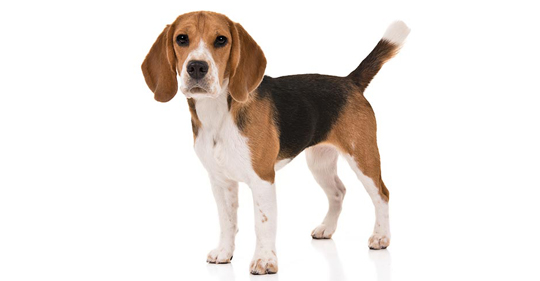
Beagle Harder to Train
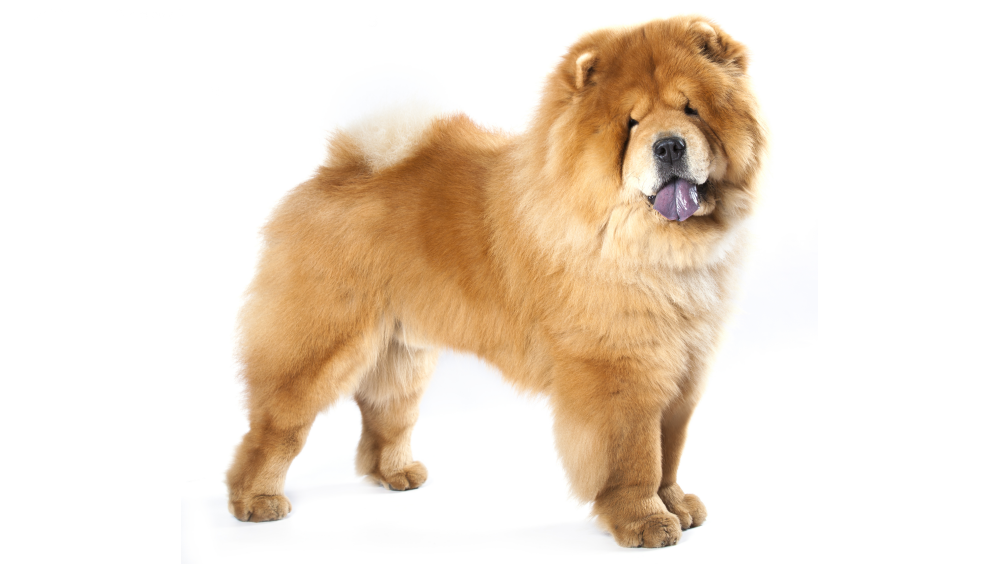
Chow-Chow Harder to Train

Bloodhound Harder to Train
Shar Peis HArder to Train
Afghan Hound Harder to Train

Shiba Inus Harder to Train


Pekingese Harder to Train


A lot of dog trainers will agree, breeds that have a reputation to be harder to train than others often include: Basset Hounds, Beagles, Blood Hounds, Chow-Chow, Shiba Inus, Shar Peis, Afghan Hounds, several terrier breeds, and the adorable little lap dog, fur balls, the Pekingese. As beautiful or cute as they may be, these dogs are not for novices, nor are they for people who are not willing to make a genuine commitment of time and energy to train.

Golden Retriever Easier to Train
Labrador Retriever Easier to Train
Poodle Easier to Train


Australian Shepherd Easier to Train
Border Collie Easier to Train
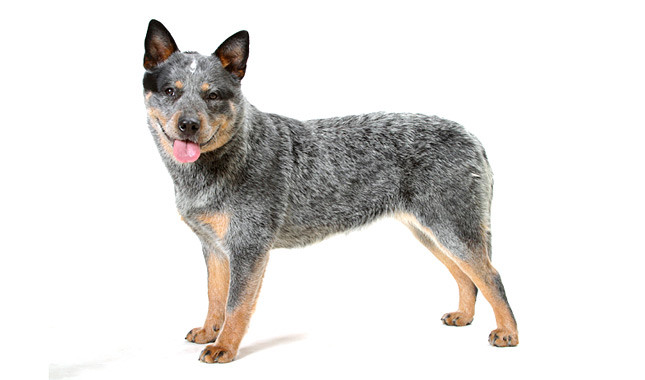
Australian Cattle Dog Easier to Train


For first-time dog owners, biddable breeds are the ones to check into. They come in all shapes and sizes. They are inherently less independent. They have been bred to connect with their human companion and to work as a team. If it's a larger dog you are looking for, there are plenty in the Sport and Herding groups that are bred to happily interact with their human companion. They include any of the Retrievers and Poodles. The dogs in the Herding group, such as Border Collies, Australian Shepherds, and Australian Cattle Dogs are easy to train because they too were bred to interact with their owner. Looking for a small dog that wants to please, and is recognized to be easy to train, do some homework. Check into the Pomeranian, Papillion, or Cairne Terrier.
Pomeranian Easier to Train
Cairne Terrier Easier to Train

Papillion Easier to Train

Bottom line: If you are a new or inexperienced dog owner, don't start with a hard to train breed. You will be doing an enormous disservice to yourself and the dog. Lack of training is a common cause why dogs are surrendered to rescues and shelters. Do your homework. Find a biddable breed that fits your family and lifestyle. Enroll in a recommended positive reinforcement, punishment-free Puppy Kindergarten or obedience class as soon as you can. You'll be glad you did!


Source:http://ezinearticles.com/?Dog-Training-For-Beginners---What-Breeds-Are-Known-To-Be-Difficult-To-Train?&id=7321077