Showing posts with label pet. Show all posts

Wednesday, 19 December 2018

The Threat of the Parvovirus to Your Pet


How Harmful Is The ParvoVirus To Your Pet

Not so many years ago, a pet was still regarded as "just a pet", but over the past 30 years or so that perception has drastically changed. Pets have become invaluable companions for single people; research has shown that kids with who take care of pets are more socially competent and have greater role-taking skills; it has been shown that hospitalized or otherwise incapacitated patients respond positively both physically and psychologically when exposed to pets; the role of pets (especially dogs) has expanded from seeing-eye dogs to assist people with disabilities in almost all aspects of day-to-day living; pets have even been used to assist in the rehabilitation of the incarcerated who have been or are about to be paroled.

It is no wonder, then, that the beloved pet has become another member of the family, so much so that complete industries have grown rapidly to accommodate their needs. There are numerous pet sitters, pet hotels, boarding kennels, pet airport facilities, pet specialized nutrition establishments, pet spas and salons (for grooming, bathing, etc.), even pet luxury resorts, pet cemeteries and on and on. There is even insurance to cover pet health care, since it is estimated that every six seconds a pet parent faces a vet bill in excess of $3000. So it is extremely important to make sure that your pet is always in the best possible health and that pet owners remain informed about any and all threats to their pet's health.

One such threat is the Canine parvovirus type 2 (CPV2, more commonly called parvo) which is a contagious virus mainly affecting dogs, but thought to originate in cats. Wikipedia reports that parvo mutated from the feline panleukopenia into CPV2, and is highly contagious, spreading among dogs by direct or indirect contact with their feces. This virus can also be spread cross-species, from cat to dog and vice versa, and by persons, animals or anything coming in contact with infected feces. The virus is very resilient and can survive for years in your yard, on your carpet, in the dog's bowl and in just about any environment. If left untreated or not caught in time, the pet mortality rate can be as high as 91%. That is not a mis-print! Treatment often involves veterinary hospitalization and can be quite expensive. The good news is that vaccines are available and can prevent or treat this infection. There is no evidence that the virus is harmful to humans.

Symptoms

Dogs may not become ill until three days to a week after the virus attacks their immune systems. When that happens, they become lethargic and stop eating and drinking. Shortly thereafter, they begin to vomit and have diarrhea which leads to dehydration that upsets the electrolyte balance which in turn can result in a fatality to the dog. When their immune systems become severely compromised, dogs are prone to other infections as well. The normal intestinal lining is also compromised allowing blood and protein to leak into the intestines causing anemia. Endotoxins escape into the bloodstream, causing endotoxemia. Dogs develop a distinctively foul odor in the later stages of the infection while the white blood cell levels fall, further weakening the dog. Any or all of these factors can lead to shock and death.

Treatment


Survival rates depend on how quickly CPV is diagnosed, the age of the pet and aggressiveness of the treatment. Treatment usually involves extensive hospitalization, due to the severe dehydration and damage to the intestines and bone marrow. A CPV test should be given as early as possible if CPV is suspected in order to begin early treatment and increase survival rate if the disease is found.

More comprehensive treatment also consists of crystalloid IV fluids and/or colloids, antinausea injections, and broad-spectrum antibiotic injections. Antinausea and antibiotic injections are given under the skin, into the muscle or intravenously. The fluids are typically a mix of a sterile, balanced electrolyte solution, with corresponding amounts of B-complex vitamins, dextrose and potassium chloride. Analgesic medications are sometimes used to counteract the intestinal pain or discomfort caused by frequent bouts of diarrhea and vomiting.


Once the system stabilizes, the IV fluids are gradually discontinued, while bland food is slowly introduced, first intravenously and then orally. Oral antibiotics are administered for a number of days depending on the white blood cell count and the health of the patient's immune system. A puppy or infected adolescent dog with minimal symptoms can recover in as little as 2 to 3 days if the symptoms are noticed early and the CPV test confirms the diagnosis. In more severe cases, pets can remain ill from five days up to two weeks, and even with hospitalization, the mortality rate can still be very high.


Source:http://ezinearticles.com/?The-Threat-of-the-Parvovirus-to-Your-Pet&id=9307335

Saturday, 15 September 2018

Dogs For People With Allergies

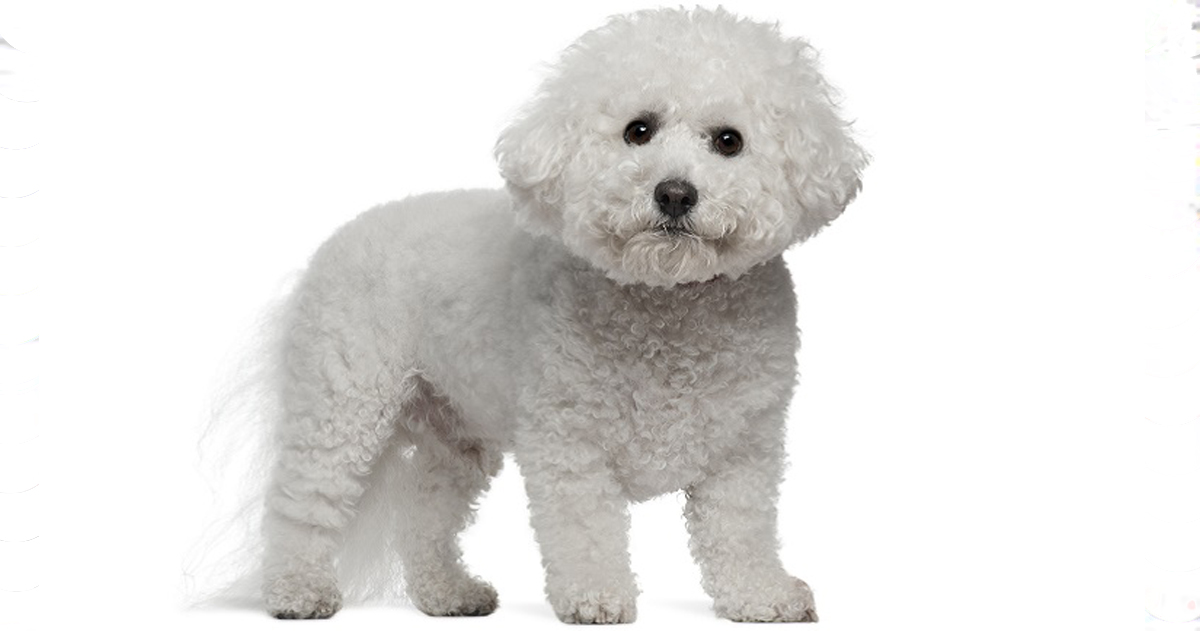
Bichon Frise

There are dogs that are more suitable for people with allergies. People with pet allergies have supersensitive immune systems that react to harmless proteins in the dog's dander (dead skin that is shed), saliva or urine. These proteins are called allergens. This page will offer explanations and suggestions about dogs for people with allergies that will help you enjoy your life with a dog.

Each person has a unique allergic threshold.

Basenji

Allergens get in the air with petting, grooming, or stirring the air where allergens have settled. Once airborne, the particles can stay suspended in the air for long periods of time. When it comes to people with allergies, since all dogs have saliva, if saliva is the trigger of your allergies then it will be difficult to live with even the most hypoallergenic dog.

Allergies to dogs or cats occur in approximately 15% of the population.
Bedlington Terrier

Reactions from dogs include skin rashes, watery and itchy eyes, sneezing and a stuffy nose. More serious reactions are wheezing, asthma attacks and being unable to breathe deeply. Children can suffer from some of these symptoms and may exhibit an increased incidence of colds and asthma symptoms.

There are dogs for people with allergies.


Yorkipoo
Dog dander is similar to dandruff in humans. If your allergies are related to dander and dust mites then you do have alternatives in choosing a dog breed. Hybrid designer dog
Cockapoo
breeds are being bred to cater to specific conditions as allergies. The Yorkipoo and the Cockapoo are examples of these new dog breeds that are well suited for people with allergies. Poodles are being bred with other breeds to make more breeds of dogs for people with allergies. Spend time with these new dog breeds at a breeder or pet store to see if you experience an allergic reaction.
Irish Water Spaniel

Being allergic to one type of dog does not mean that you are allergic to all dogs. Spend as much time as possible with the breed you are interested in, to make sure that you will be able to handle any allergies from the dog's saliva or dander.

For people with dog dander allergies, single-coated dog breeds shed the least and hairless dog breeds do not shed at all. Brushing your dog once a day will greatly reduce unwanted hair on clothes, carpet, and furniture.

Some dog breed suggestions for people with allergies:

Italian Greyhound
Kerry Blue Terrier
Maltese


Bedlington Terrier, Basenji, Bichon Frise, Chinese Crested, Irish Water Spaniel, Italian Greyhound, Kerry Blue Terrier, Maltese, Mexican Hairless, Poodle, Portuguese Water Dog, Schnauzer, Shih Tzu, Soft Coated Wheaten Terrier.
Mexican Hairless

Solutions to lessen or avoid allergy symptoms and make your life with dogs more bearable:
Poodle

Do not to allow dogs into the bedrooms or confine them to the hard floored areas. Try using baby gates on stairs.
Portuguese Water Dog

Try to have hardwood flooring wherever possible; carpet tends to harbor pet dander and makes it difficult to remove. If a carpet is a must, select a low pile and steam clean frequently. Better to use throw rugs that can be washed in hot water.
Schnauzer

HEPA air cleaners in the house can help reduce the mold, pollen and dander present. Forced-air heating and air-conditioning can spread allergens through the house. Cover bedroom vents with dense filtering material as cheesecloth, or install an electrostatic filter in the duct system.
Shih Tzu

If the dogs are allowed on the sofas then it is best to have slipcovers or sheets. Use car seat covers when your dog is in the car. Vacuum the house regularly with a HEPA filtered vacuum cleaner.
Soft Coated Wheaten Terrier

Multivitamin Supplement
Wash your dog twice a month to remove dander. Better to have a dog groomer do it at his parlor so you do not set off your allergies while washing your dog. Wash all dog bedding and toys regularly. Try using laundry detergents formulated for allergy control. Have someone who is not allergic, to brush your pet outdoors as frequently as possible. Wash your hands after handling the dog. Keep your dog's skin healthy by feeding a good multivitamin and a fatty acid supplement. Some extra precaution will help people cope with allergies when it comes to their dogs.


Source:http://ezinearticles.com/?Dogs-For-People-With-Allergies&id=1056015

Friday, 29 June 2018

Obedience Training Is Great For Your Dog


Owning a dog is a great way to have a constant companion, but you need to realize your companion can easily get hurt if he does not listen to you. This is when you should know how important obedience training is for your dog. When you start to realize just how important this is, you will want to get your dog enrolled in the first training course that you can find and ensure he is properly trained.

Obedience training is the way to establish the master-dog relationship. It allows the dog to learn what is right, what is wrong, what you'll tolerate and what you won't tolerate. Quite often I hear people say I don't need obedience training because I don't want Fido to be a show dog he simply a pet. Obedience training is in for show dogs obedience training is for well-behaved pets.


Having a well-behaved pet will allow you to take your dog places that poorly behaved dogs can't go. Having a well-behaved dog will allow you to go for nice walks through the neighborhood without your dog acting like to Cujo and wanting to attack everybody and everything he sees.


So how does your dog get obedience trained, simple you're going to do it. There are several different ways to go about having your dog trained but the best and easiest is to use the help of a professional dog trainer. There are several options even when you use a trainer. You might consider group obedience classes, which I feel are probably the worst choice because of all the distractions. One of the better options is private lessons in your home because that's where you want your dog to be the most well-behaved. And then of course there's the board and train option that's where you send your dog off for four weeks have somebody else train it and they send you back a well-trained dog.


The board and train option is great if you simply don't have the time are the desire to do any training. You'll have a professional who will do the training for you and if you choose the right trainer you will actually guarantee that your dog will do a certain list of exercises. When your dog completes the training the trainer will teach you how to handle the trained dog. Does that sound simple, it is.

However if you asked me which method I prefer it will be private lessons every time. That allows you to do the training and for your dog to learn to recognize you as the master and the alpha of the pack. Remember a well-trained dog is something that you will enjoy all of its life and a poorly trained dog is something you will regret ever getting.

Happy training!


Source:http://ezinearticles.com/?Obedience-Training-Is-Great-For-Your-Dog&id=8955557

Friday, 5 January 2018

6 Ways to Find a Good Veterinarian


Good veterinarians are hard to come by. It's getting harder to find the country vet who knows all about you and your dog and can tell you all of the local gossip. Vets who offered discounts for multiple pets and client loyalty are disappearing. In his place, we have vets with more sophisticated equipment but often less time for you and your dog. He or she may see lots of clients every day and be part of a large practice. You may not see the same vet each time you go to the offices.

How can you find a good veterinarian these days? Here are a few tips.

1. Ask around. Word of mouth is still one of the best ways to find a good vet. If you have friends with pets ask them who they use and whether they like them or not. Ask them about their experiences with the vet. Have they been satisfied or are they looking for a new vet? How is the vet with their dog? (Or cat or whatever!) You can learn a lot just by talking to a friend.


2. Make a list of some of the things that are important to you in a vet. Do you need a vet who specializes? Probably not, unless you are a breeder or you have a dog with a particular health problem, but if you do need a specialist, start looking. They can be hard to find. Do you need a vet who will write prescriptions for you so you can buy heartworm medication online? This can be a bone of contention with some vets so you may have to try several vets before you find one who is willing to do this for you. It's certainly worth pursuing because heartworm medication usually costs twice as much at the vet's office. Do you need a vet who handles his own emergencies? This is becoming rare. You may have to look far and wide for a vet like this. Most vets now send their emergency cases to a vet emergency clinic at nights and on the weekends.

Decide what is most important to you and look for a vet who can meet your needs.

3. Call vet offices near you and talk to the receptionists. Better yet, go by and meet them in person. Discuss billing arrangements. Veterinary care can be very expensive, especially if your dog has a serious problem that requires surgery and post-op care. What is the vet's policy about payment? Does he or she require you to pay upfront? Can you make payments? Will they turn your dog away if you can't pay for the entire procedure ahead of time? These are important considerations and it's best to know how your vet handles these matters before your dog is in a life or death situation.

4. Does the vet take pet health insurance? Some vets do take health insurance for pets now. If so, which ones?


5. Find out the days and office hours for the vets near you. Do they fit your schedule? Some vets are closed on Saturdays or may only be open half a day. They may not stay open late through the week. Will you be able to work with their schedule? You can have the greatest vet in the world just down the street from you but if you have to work when they're open it won't do your dog any good.

6. The American Veterinary Medical Association (AVMA) has a listing of state veterinary medical associations. You can find veterinarians who are listed with these state medical associations here: http://www.avma.org/statevma/. This is an excellent place to look for accredited vets in your area.


Source:http://ezinearticles.com/?6-Ways-to-Find-a-Good-Veterinarian&id=8155292

Wednesday, 13 September 2017

Yes, Dogs Do Dream


Have you ever seen your dog whine or move its legs during its sleep? A lot of dog owners will tell you that dogs do dream. It is believed that dogs dream during a certain stage of their sleep, typically when they make noises or move.

Dogs and humans share a few similarities in their brain structure, including sleep cycles. Both humans and dogs go through a sleep cycle that includes deep sleep. The eyes usually move very rapidly behind closed eyelids during this stage.


Humans experience dreams during their deep sleep, and it is also the stage that corresponds to the movements and whining often observed in dogs. Scientists have observed activity in the brain of different animals during this stage of the sleep cycle, suggesting that several different animals dream.

It is very difficult to confirm whether or not dogs actually dream since they cannot share any information with us. However, scientists who studied sleep cycles and brain activity in animals tend to believe that dogs dream. The movements and sounds observed in dogs during their deep sleep strongly suggests that dogs experience dreams and have physical reactions to them.

Seeing your dog dream can be scary and cause you to become worried for your pet. It is not uncommon for dogs to whine, cry or even howl in their sleep. Some dogs move their legs as if they were running or kicking at something. Next time you see your dog moving or whining in its sleep, keep in mind that this behavior is entirely normal.


Dogs typically enter the deep sleep stage twenty minutes after going to sleep. If you keep an eye on your pet, you might notice that their breathing is becoming more irregular. Your dog might act out the dream through movements or sounds but your dog might experience dreams without moving or making a sound.

Smaller dogs tend to have more dreams, or are at least more likely to move and make noises in their sleep. Some owners report witnessing their Poodles or Chihuahuas experiencing a different dream every ten minutes or so while larger dogs tend to not experience dream so frequently.


Seeing your dog twitching or howling in its sleep can be scary but you should keep in mind that this behavior is normal. Scientists believe that dogs can dream and many owners will tell you about their pets experiencing dreams even though it is difficult to find any concrete evidence of what animals experience.

Source: http://ezinearticles.com/?Yes,-Dogs-Do-Dream&id=9029257

Friday, 1 September 2017

The Benefits of Soft Dog Crates

Your pet may annoy you by creeping into the kitchen while you are in the middle of preparing a glorious feast. He may also frighten your guests.
Having him underfoot is maddening and dangerous. Crate training will prevent him from obstructing you at the wrong times.

You can choose from many dog crates available. The right one will put both you and your pet at ease. There are reasons why a soft dog crate brings out a pet's wagging tail.

The benefits of crate training

Before discussing why soft containers are helpful, understand the benefits of crate training.

Crate training may seem restrictive, and this is understandable. No one likes the idea of confinement. That said, it has many benefits for dogs and their owners.

a. For You

Parents get excited when they find out that their children have musical inclinations. They become eager to start when their kids can start their musical journeys.
When a child can begin lessons depends on whether he has the motivation to learn the instrument. It is a gargantuan task getting children who hate doing so learn an instrument.

Then, there is the fun factor. Educational psychologists all suggest that learning takes place when people enjoy the process.
Music lessons can start anytime, as long as the child shows interest in learning them.

Such a container will give you peace of mind. You will feel satisfied that your dog is safe while you are away running errands. If he is travelling with you, you can relax knowing that the crate will protect him from injury.

It also enables you to house train your dog. Your pet needs to know where his sleeping and toileting areas are. A crate is a resting area for him.
It prevents your dog from being in the way, at the wrong times. You can leave him it in while service personnel are doing work around your home. He can take refuge in it while you are in the kitchen.

b. For Your Dog

A crate is your dog's territory. It is a place where he can feel protected from any ongoing noise or activity in the home.

A dog's hearing is six times better than that of a human's. Loud sounds alarm him more than they do you. A crate shields him from these noises.

It also encourages him to control his bowels. Your dog is not likely to relieve himself in his place of rest. He will associate elimination with the outdoors.

You can introduce your pet to your friends if you use a crate. It stops him from jumping up and startling them.

6 reasons why a soft dog crate will make your pet happy

Three Doors for Easy Access

Securing your dog in a crate has clear benefits, but the wrong one can be uncomfortable for him. A soft-sided container will serve his needs better than a metal or plastic one. He is more likely to wag his tail when he sees it.

1. He can travel with you.

For a start, it is easy to store. Easy storage makes it ideal for traveling because you can fold it up and put it in the back seat of your car. Your dog will perk up knowing that he can journey with you.

2. He can be part of the family.

Your pet will be happy knowing that he has a place in the family room. You can integrate a soft crate with your furniture at home.

It fits well into any corner of your living room. Just tuck it away in your storeroom if you are not using it.

3. He can scratch it.

Manufacturers make soft dog crates out of durable nylon. This material does not tear even if your dog scratches it to no end.

4. He gets into it in no time.

These crates are easy to set up. Your dog can move into his home in no time.

Soft containers are easy to fold and unfold. There is no need to screw any nuts and bolts together.

5. Your pet can move about in it without making a sound.

A soft dog crate means less stress for you and your dog.

A great boon of using one is that your dog will not make too much noise if he turns around in it. A metal one, in reverse, gives off sounds.

6. Your dog will have a clean home.

Your dog will take a shine to his home because it is clean.

Materials used to make soft dog crates are hardy, yet pliable enough to wash. Just give your dog's a weekly rinse to get rid of pet odors.

Buying a soft dog crate

Soft-sided crates are ideal places of solitude for dogs. Of course, you must bear these pointers in mind when choosing one.

1. Purpose

Think about why you want to put your dog in a container. A soft-sided crate is ideal if you always take your dog on road trips.

A wire crate may serve you better if you wish to leave your dog outdoors. With more openings, it is cooler.

2. Security

You should be able to zip up a soft crate. Its base and sides should not feel as though they are about to give way.

3. Durability

When choosing a soft dog crate, assess its strength and quality. Your dog should not be able to tear holes in its base. Weigh your pet and choose one that is firm enough to hold him.

4. Usability


 Find out how user-friendly the soft dog crate is. You should be able to zip and fold it. Do not buy it otherwise.

5. Attractiveness

If you plan to use the container at home, you will not want it to jar with the rest of your furniture. Soft dog crates come in various colors. Pick one that goes with the color scheme of your home.

6. Size

Size is an important factor when choosing a container for your dog. Of course, there is no point buying one if your dog cannot fit into it. Note that your pet may roll around and injure himself if the crate is too large.

The right soft dog crate will please your pet.


http://ezinearticles.com/?The-Benefits-of-Soft-Dog-Crates&id=9355869

Wednesday, 30 August 2017

4 Great Lap Dogs To Have In Your Home


Are you thinking about getting a pet? You may have your hopes set on getting a dog, but would prefer to have a lap dog instead of a large one running around the house, especially if you are tight on space. There are certain breeds that are known for being the best lap dogs. If you are not exactly sure which one to buy or adopt, check out some of the best choices below.

Havanese

If you are looking for a playful pet that is small enough to fit on your lap, the Havanese puppy is a great choice. They are known for being great companions, but they are adorable too. These particular dogs tend to weigh around 10 pounds, but they may weigh up to 16 pounds at the most. Even so, they would still be small enough to fit right on your lap.

Maltese

These pups are well-behaved, affectionate and quite smart too. They always seem to know what is going on around them. If you are interested in becoming the owner of a gentle, soft and cute dog, a Maltese may be the perfect addition to your family.

Pekingese

Although they are slightly aggressive, these small dogs are affectionate and loyal to their owners too. They are intelligent and will naturally form a strong bond with you before you know it. They tend to weigh about eight pounds, but there are some that may even weigh up to 14 pounds, which is still light enough to fit comfortably on your lap.

Pugs

They are known for their sad signature look, but these dogs are actually quite happy when they are treated well in a loving home. Pugs love to play and have a good time, but they are also quiet, reserved at times and quite sweet. A pug would sit on your lap and would love any kind of positive attention you give it, including a nice head rub or back rub.

These four different breeds are some of the best lap dogs you could possibly own. These kinds of breeds are known for remaining loyal and being great companions to their owners. If you want to build a strong bond with an adorable small dog, consider buying or adopting one of these specific dog breeds. Before you know it, the whole family will end up falling in love with him or her.

Source: http://ezinearticles.com/?4-Great-Lap-Dogs-To-Have-In-Your-Home&id=9116192

Saturday, 19 August 2017

The Basics Of Dog Care


When you decide to bring a dog into your home, you make a commitment to his or her health. You have to make sure that he or she is healthy in every stage of life. You are now responsible for pet's health and happiness.

The health care needs for your dog change over the years, evolve at every stage of life. Here are some of your dog's health care needs at every stage and age.

The Right Health Care For Young Puppies


Vaccinations are very important during the first few months of your puppy's life. Your puppy will receive a few series of vaccinations and booster shots every three weeks until they are four to five months old. And these formative years are the perfect time to develop good dog health care habits like protecting them from heart worm and fleas.

According to Dr. Mark Stickney, DVM, clinical assistant professor, chair of the internship selection committee and director of general surgery services at the College of Veterinary Medicine's department of small animal medicine and surgery at Texas A&M University in College Station, "These vaccines protect your puppy against diseases."

Another pet health care is neutering or spaying. It is an operation that removes the reproductive organs of your pets. Early spaying or neutering prevents accidental pregnancies and diminishes health and behavioural problems.


Dental health is likewise very important. It keeps your dog's teeth strong and healthy. The current recommendation is to have the teeth brushed daily and cleaned yearly.

The Suitable Health Care For Adult Dogs

Your favorite domesticated animal is considered an adult from age two to age seven. During this period, the health care revolves around preventing problems (illnesses) and treating them. It is recommended that you meet a veterinarian yearly for a physical examination. The expert veterinarian will check carefully the possible health problems.


Rabies vaccinations should be given from one up to three years. The veterinarian may determine other vaccinations that your dog might need. Even though heart worm preventatives effectively work 100%, the pet health expert might like to repeat the test every year or two to make sure everything pertinent to the animal's health.

The Ultimate Health Care For Senior Dogs

Dogs are considered senior when they reach the age of seven years. That is the time when the veterinarians recommend yearly blood check-up to look for any disease, like kidney disease. If your favorite pet develops any health problem during this age and stage, you may need to visit the vet twice or more a year.


The veterinarian may immediately determine that your pet animal is showing worrisome symptoms, like limping, lameness, appetite changes, inactivity, vomiting, diarrhea, and severe itching. These things need regular check-ups. By following your vets' advices and recommendations, your pet can have the optimum health and wellness.

Source:http://ezinearticles.com/?The-Basics-Of-Dog-Health-Care&id=9250816