Showing posts with label Chihuahua. Show all posts

Monday, 24 September 2018

Toy Dogs - Oops! Toys Have Come Alive!


A toy dog has the huge advantage that it is small. This often makes it an ideal dog for urban living or for older people with limited mobility. A toy dog does not need long walks. It will not take over a small apartment. A toy dog fits into the modern lifestyle of many people today.

There are a huge variety of toy dogs. They all have different characteristics just as larger breeds of dog do. It is important to get to know the what each kind of toy dog is like before you make your choice. Toy dogs are not all alike.

It is thought that the breeding of toy dogs first began in Asia but varieties of toy dog can now be found from every part of the globe. They were bred for a variety of purposes. That still influences the characteristics of the breed and will affect which one is right for you.

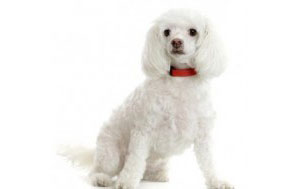
Perhaps the most well-known type of toy dog is the poodle. When anyone mentions a toy dog this is the kind of dog that most people think of. Toy poodles were bred from larger dogs that were used for hunting. Even the smaller toy poodles retain some of the characteristics of the larger hunting dogs. They are bold, intelligent dogs that can be readily trained. But they can be highly strung and are not necessarily suitable for a household with young children.


Somewhat similar in appearance is the Bichon Frise. They tend to look like an unclipped toy poodle. But their temperament is somewhat different. They are a boisterous small dog that interacts well with children. They are said to have been bred as lapdogs in pre-revolutionary France but after the revolution, they had to get by on the streets and did not very successfully. They are a street-wise lap dog. They will chase every rabbit and squirrel they see.


The Chihuahua comes originally from Mexico where it was bred as a source of meat. They have now become a favorite toy dog. Their fine, smooth coat means that they do not need a lot of grooming. They do not tolerate children well and can be snappish. But they are often loyal and devoted to their owners.


The Maltese is a toy dog that was bred as a lap dog for the wealthy. It is still popular in that role and is a fashionable lap dog that models and film stars like to carry in their oversized handbags. It is not good with children however and tends to bark at strangers.


The Pekingese was once one of the most sought-after toy dogs because they were so rare. Only a few had been imported from China. They are now well known in the West. They can be difficult to train but mellow with the years. They are seldom tolerant of children or other animals. Their coat requires a lot of attention since their ears can easily become matted and infection may result. Their short noses can become a problem. They always snuffle but can sometimes become badly blocked. They make good guard dogs and can, therefore, be a good dog for an elderly and infirm person since they do not need a lot of exercise.


Pugs have recently become very popular having been seen accompanying various fashionable starlets. The look like tiny bulldogs with their hanging folds of skin. They can have similar nasal problems to those of Pekingese because of their small nasal passages. But they make excellent pets. They do not need a lot of exercise. They are usually placid and will happily play with children. They are seldom aggressive with other pets. They are intelligent dogs that respond well to training.


Source:http://ezinearticles.com/?Toy-Dogs---Oops!-Toys-Have-Come-Alive!&id=1662207

Monday, 23 April 2018

What's The Best Lap Dog?


The best lap dog's going to be a breed that's just as friendly as it is small. This means we have to avoid all breeds that are small enough to fit in our laps, but don't have the right temperament. When it comes to the smaller breeds, Napoleon complexes are very common. This makes it a lot harder to find the perfect dog that's cool with sitting in anyone's lap. When we make sure that we get the right breed, and really pay attention to the dog's behavior before we take him home, we'll be able to find the right creature.


When people think about getting lap dogs the first place they'll go tends to be the Chihuahua. This is a common mistake. Some Chihuahua's are friendly, but most are frightened easily, and tend to be yappers. Because of their small size, and low IQ, they tend to be more aggressive. They are worried about being harmed by strangers, and could even have some issues with certain family members in the house. One things for sure, this dog will never sit still. Chihuahuas have a lot of energy, so they're not great for petting while you watch TV.

If you're looking for a dog that's great as a lap you should consider a miniature poodle. While they aren't as smart as their cousins the standard poodle, they still have merit. Poodles tend to be friendly dogs, they're great swimmers, and most importantly, they are the smartest dog breed on the planet. A neat thing about the poodle is that they don't shed. When you stick with the previous option, you'll be cleaning Chihuahua fur out of your carpet for a very long time. This simply isn't so with these guys.


You should pay attention while at the dog breeder, or shelter. It's important to make sure the dog you're playing with is responding to you positively. A great sign that a dog's going to make a perfect lap dog is it's ability to be picked up. If it looks as though it doesn't liked being picked up, or hates being handled by people, it's probably not going to sit still in your lap. You should pay attention to how affectionate the dog seems. An affectionate dog will actually enjoy the time you spend cuddling, while one that's more independent will do it out of a dog's desire to obey.

Treating your dog with respect, and giving him the human contact he needs is a great way to ensure your dog will have a good personality. Make sure you treat your dog like a member of the family. If you do I'm sure he'll love sitting with you. Dog's love being able to sit on human furniture, and especially human laps. You just need to make sure you have one that fits the norm. Look in your local shelter today!


Source:http://ezinearticles.com/?Whats-The-Best-Lap-Dog?&id=8649223

Thursday, 19 April 2018

How To Choose The Right Dog Breed For Your Family


At some point or another, most kids will beg their parents for a dog. Those who have had a dog before or have always wanted one may be considering giving in to their child's plea. However, before parents make any decisions, they should think about which breeds are best suited for their family.

Why is Choosing the Right Breed Important?

Like children, dogs are a lot of work. They require care, attention and exercise. If they do not get these things, they could wind up being sick or unhappy.

Because dogs rely on their owner to provide them with a good life, families should not take on dogs that they cannot handle. Choosing the wrong breed could mean that the dog and/or the family do not get their needs met.

How to Find Information on Dog Breeds


The simplest way to get information on dog breeds is to look on the AKC website. This website lists every dog breed and talks about issues such as:
Jack Russell 

- Exercise requirements. High energy dogs such as Jack Russell terriers should not be adopted unless the family has time to walk them every day.

- Grooming requirements. Some breeds require more grooming than other dogs. For instance,
Maltese terrier
Maltese terriers need to have their fur trimmed regularly. If this is not done, their hair may mat.
Labrador
- Temperament. While all dogs can sweet with the proper training, some of them have a milder temperament than others. Labradors are known for being good with children while terriers have a reputation for being "nippy" and loud.

Border Collie

- Trainability. When a dog is easily trained, life becomes much easier for the dog owner. Untrained dogs tend to misbehave more often.

Are Some Breeds Better for Children Than Others?

Highly trainable breeds are great with children as they are eager to please. Some examples of these breeds are Labradors and Golden Retrievers. Breeds like German Shepherds and Border Collies are also highly trainable.

Although, some parents would rather not get specific breeds, all breeds are good with children if they are trained and socialized properly. The size of the animal should also be considered.
Great Dane

Many people (especially men) have never imagined themselves owning a small dog. While this is fine, dogs that are too large may not be suitable for certain conditions. Large dogs require a lot of space and this could be a problem if they are living indoors. They also eat a lot more food.
Chihuahua

Small dogs such as the Chihuahua are nervous around small children. This is because smaller children tend to play more roughly than adults. A pull on a tail could lead to the dog feeling threatened and reacting aggressively.

Bichon

Finally, health problems need to be assessed. If a breed is known for having certain health problems, parents may not want to adopt the dog. Illnesses and medical problems can result in high vet bills. If anyone is allergic to dogs, a dog that does not shed much should be chosen.

Taking a little bit of time to choose the right dog is important and can make for a happy household.


Source:https://www.blogger.com/blogger.g?blogID=6058542778250350059#allposts/postNum=6

Friday, 23 February 2018

Cross Breeding - Mating Dogs of Different Breeds

I am sure you are aware of all the crossbreeds that are available today including probably the most famous being the labradoodle and the Goldendoodle. At first glance the question is why? In most cases, it is to create a breed with some favorable characteristic with others who know why. Let's talk about a few of these mixed breed dogs and why they came about.


I want to start with what is probably the best known highbred the Labradoodle. I am sure that you already know it is a mix of a Labrador Retriever and a Poodle. Because of the poodle influence they can be large or small depending on what size poodle was used for the breeding. They are also in several different colors from yellow, black, brown and even party colored.

The breed was actually first developed by Australian dog breeder Wally Conron in an effort to help a client that had dog allergies. Allergies and people who are allergic to dogs is one of the top reasons people select a labradoodle. From what I understand to be hypoallergenic the dog must be a 3rd generation labradoodle.

The introduction of the Goldendoodle was inspired by the successes of the labradoodle. Breeders started breeding mini size golden doodles by using the smaller poodle and this appealed to many people that wanted a smaller dog. Breeders are determined to produce a non-shedding hypoallergenic dog that can be enjoyed by more people either as a small or larger dog.

The list of the cross bred designer dogs can go on and on but here are a few:
Puggle - Pugg and Beagle
Chiweenie - Chihuahua and Daschund

Maltipoo - Maltese and Poodle
Chorkie - Chihuahua and Yorkshire terrier


Bugg - Pug and Boston Terrier

Wally Conron the Australian breeder who started the designer dog craze back in the late 1980's regrets the fact that he created what he calls a monster. Because of his efforts in breeding the first labradoodles he feels like breeders have gone crazy in their efforts to create more and more cross bred dogs.

Some designer dog breeders feel that they are doing a good job by breeding out bad characteristics from the breeds however other breeders feel that this type of breeding has actually caused more problems.

If you need a particular cross bred dog for a certain characteristic then go ahead and give one of these designer dogs a chance it may just be the perfect dog for you.


Source:http://ezinearticles.com/?Cross-Breeding---Mating-Dogs-of-Different-Breeds&id=8419427

Tuesday, 25 July 2017

Small Dogs: Pros and Cons


You look into the cherishable eyes of a Chihuahua or fall in love with the paltry panting of a Pomeranian. But have you actually considered exactly what it takes to have a small, yappy puppy? It's not all cuddles and precious looks. Of course, even with all the detriments that come with small-breed dogs, one of them may make the perfect pet for you. Here we have a bit of a chat about the pros and cons of owning petite pups.

First of all, small dogs are, of course, petite. They weigh less. You can pick them up, put them in your purse, have them come on an airplane with you, and you can cuddle with them in your bed without it taking up all the space from your significant other. They don't eat much compared to some of the bigger breeds, are easier to groom and care for, and are mostly cheaper when it comes time to take them to the vet. For instance, it costs less to spay or neuter a small dog than it does a large one. Dogs can be lovely bite-sized additions to any family unit.

If you live in an urban neighborhood, a small pet might be your best bet. People who live in apartments or houses with not much of a back or front lawn may do well to adopt a pup who doesn't need that much free time outside. You can also take the little doggies out with you into the city, where many big dogs may not be allowed: on the bus, in a restaurant, or even under your arm when you're shopping. Most small dog types outlive their more gargantuan relatives. Many small-dog breeds live upwards of 13 to 16 years, depending on the breed and from dog to dog. All in all, small dogs are cute and loving in a manner that other, bigger dogs just cannot match.

Of course, there's the other side of the coin, as well. Little dogs tend to yip and bark more. This can cause problems with neighbors and, while you may be able to teach your pup to be quiet, they tend to go right back to barking when you're not around. and can get into more trouble when it comes to sneaking out of their designated areas. It may feel odd to own a pet that, were you to step on it, you would kill it. Even though your pet may be small, it is not generally aware of that fact, and may get you into trouble by portraying boldness even in the face of certain death (e.g. other, bigger dogs). You may have to tug your little guy aside when big dogs come, lest they start a fight they will in no way win. You know what that means, right? That's right. No unleashed walks in public.


There's also the case of what many owners know as "Small Dog Syndrome". Because your pet is so small, it will be natural to coddle it. Some owners even treat the small animals like little children, resisting the notion of scolding the pups if they do something wrong. However, the dog needs to know you are in charge and it must abide by your rules. If you have a dog, even a small one, make sure that it knows you're the boss, or it may begin to exhibit signs of this symptom: it will growl if you approach its food or try to move it when it doesn't want to be moved, and may even snap and bite at the hand that feeds it.

But you love small dogs, so you're willing to make the sacrifice. Well, you may find them a bit difficult to housetrain. They are notorious for having "accidents" in the house (or in your purse, if you're prone to putting them there). Dog training of all types can be difficult for your poor petite pup, as they just don't have it in them to learn.

Make sure to consider both sides of the story before adopting your small pup. They can be rewarding pets to people who live in urban areas, but you must be prepared to be a proper puppy parent when teaching and disciplining them. You will find them all the more loving for your effort.

Friday, 7 July 2017

Perfect Dogs For Apartments


Apartment dwellers have special concerns when it comes to deciding to be dog owners. For one thing, the smaller space and the lack of a yard means the dog has to be fine with these conditions. This does not necessarily mean that the dog has to be small. For another thing, the dog has to be relatively quiet or it can cause problems with your neighbors over excessive barking.

If you are an apartment dweller or about to be one, do not give up on your desire to have a dog. Here are some suggestions as to the best breeds for your situation.

English Bulldogs

These are perfect for apartments. This breed enjoys relaxing most of the day, so he or she is not likely to cause much of a problem with making noise or with needing to get out frequently to play.


Pomeranians

Pomeranians are the ubiquitous choice for sophisticated cosmopolitan apartment dwellers. They are small, but they are energetic and get bored easily. For this reason, they must be allowed plenty of time outside to get exercise and have playtime.

While the breed can be yappy, there are two aspects to this to keep in mind. First, if the dog is trained properly he or she will not bark at every sound or sight around. Second, in some cases the dog's proclivity for barking at strangers at the door is a good thing. Think of a Pom as a reliable security guard, which is handy if your apartment is in a big city.

Shih Tzu

This little dog needs a lot of pampering and attention, but does not need a lot of space in which to move about. Like the English Bulldog, this breed is content to relax and spend the day resting. They do not require several walks a day to take care of business, either. One or two walks per day is all they really need.

Pugs

Pugs are great loyal dogs that love to be couch potatoes. They will love being with you and in your lap when you want it. They do not require much exercise and simply need potty time a few times a day.


Chihuahua

As with the Pomeranian, they must be trained not to bark a lot, but this tiny breed is an easy apartment fit.


If you live in an apartment give one of these dogs a try.

Source:http://ezinearticles.com/?Perfect-Dogs-For-Apartments&id=9025108