Showing posts with label rottweiler. Show all posts

Saturday, 16 February 2019

Top 10 Most Intelligent Dog Breeds


There are three types of dog intelligence according to Stanley Coren, author of "The Intelligence of Dogs". Adaptive intelligence has the learning and problem-solving ability, instructive intelligence is only specific to the individual animal and Working/Obedience Intelligence is dependent on the breed. I have listed the top 10 most intelligent dog breeds in the world that are easy to train and help humans doing various works directed to them much more like giving them Merrick dog food or bil-jac dog food.

10. Australian Cattle Dog

Tenth on the list is the Australian Cattle Dog, a herding breed. This breed is courageous and a tireless worker, they are very active and needs regular exercise both mentally and physically. They are very protective of their property as well as their masters. This was developed in Australia for herding cattle. They are easy to train, groom and maintain. Provide them with nutritional foods such as that Merrick dog food or bil-jac dog food and it is on the go.

9. Rottweiler

Rottweilers have a reputation as a fearsome dog. This is a great family pet, they are intelligent and reliable, and they are also one of the best guard dogs. They are used in search and rescue, guide dogs for the blind and police dogs.

8. Papillion

Papillions will confuse you of a very cute dog but don't underestimate their cuteness, these are supposed to be scary and tough. A continental toy spaniel, one of the oldest of the toy spaniels, derived their name from its characteristic butterfly-like ears. They are cute, possessive, a little moody and aggressive because they are considered as the most affectionate dogs. They are very easy to train and one of the most intelligent dogs.

7. Labrador Retriever

This is the most popular breed in the world; they are also popular as a family pet because of their loving, affectionate and patient characteristics. Labradors love to swim, play catch and retrieve games and are very good with young children. They are commonly used to aid in hunting, tracking and detecting, assisting humans with disabilities, carting and therapy work.

6. Shetland Sheepdog

This dog as many dog owners would say has the same level of intelligence as men. They breed to become a shepherd to hundreds of sheep, because of their herding dog temperament. They are very vocal and have a lot of energy to please their masters. They are a hard worker. Just provide them with enough Merrick dog food or bil-jac dog food, they will definitely not let you down. "Shelties" as commonly called by owners, were one of the brightest dogs, they could understand a new command in less than 5 repetitions and would obey a command give the first time 95% of the time or better.
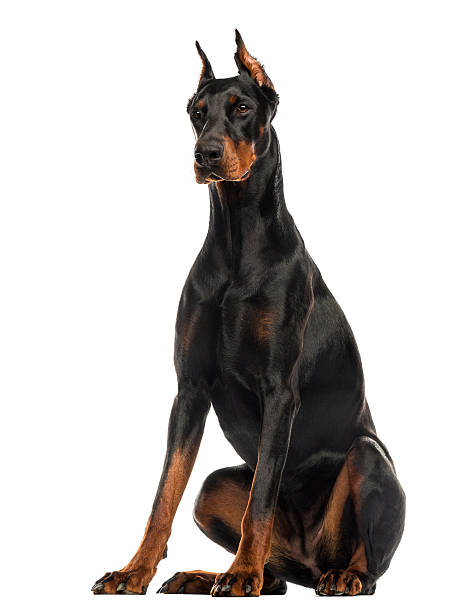
5. Doberman Pinscher

This is most commonly used as a guard dog or a police dog, because of its characteristics being loyal, forceful and feared. They have excellent stamina and loved working. You can rely on the Doberman because of his protective tendencies to their master and its family. Doberman is one of the most trainable breeds of dogs.

4. Golden Retriever

Golden retrievers are most commonly owned by millions of people because of its loyalty, gentleness and are very close to children. This dog's intelligence and versatility suit for a variety of roles including guide dog for the blind, hunting dog, illegal drug detection dog, search and rescue and hearing guide for deaf people. This breed is also used in water and life-saving rescue and is in the top 4 of the most intelligent dogs in the world.

3. German Shepherd

One of the smartest dogs, it is also brave and has a strong protective instinct. They are a breed of herding dogs and was originally used to protect flocks of sheep and now they are trained to be police dogs and search dogs. This breed if trained in obedience at an early age will become a great loving family dog and excellent with children.


2. Poodle

The poodle is ranked number to on the top ten because of their intelligence and they are one of the easiest breeds to train. They originated in Germany as a water retriever. They love to be around humans and hated to be left alone. Poodles can also be used as a hunting dog despite their cute appearance.


1. Border Collie

This dog is a breed of herding dog in Great Britain. Collies are used on farms to assist with the herding of livestock. They are energetic, athletic and often being competed in dog sports, also in sheepdog trials. They make an excellent search and rescue dogs because they have been trained in air-scenting and as cadaver dogs.

Whatever dog breed it is, it is very important to provide them with their daily needs such as shelter, love and good food.


Source:http://ezinearticles.com/?Top-10-Most-Intelligent-Dog-Breeds&id=5940790

Saturday, 1 September 2018

Considerations in Choosing a Dog


Choosing a pet is for some a simple thing, while for others a more than a serious endeavor. Usually, the pick of the pet can be based on location, family situation, intent, are there children, or various other factors. Where it gets complicated, or intense, is when one has to take into consideration potential health issues. And one of the more relevant issues is the propensity for hip problems. Certain breeds are more likely to develop joint issues.

Probably the most simple question when looking at a new puppy is to ask " Did the parents, or any other pups in any of their litters ever show signs of joint issues?". And before I start, I would recommend talking to a vet about exercises to maintain mobility, activities to be avoided, and the need or recommendation of adding supplements to a dog's diet.

Here is a list of 9 breeds that have been shown to have a predisposition to joint problems.


1. German Shepherds: It's well known that Shepherds are predisposed to hip dysplasia and other joint issues.


    2. Labrador Retrievers: With a propensity towards obesity, amplify stress on joints.


3. Dachshunds: With their long, low bodies, they can develop back problems, especially if they become overweight.


4. Rottweilers: Have a genetic propensity to develop hip and elbow dysplasia and even arthritis.


5. Newfoundland Retrievers: Like other big breed dogs, they can hip dysplasia /arthritis partially due to rapid growth rate.


6. Great Danes: Huge frames and rapid growth tends to lead to hip/elbow dysplasia and even arthritis.


7. Saint Bernards: Huge, fast growth can cause stress on the joints leading to hip issues.


8. Old English Sheep Dogs: Suffer the same fate as other large breeds.


9. Mastiffs: Also prone to hip/elbow dysplasia, as well as candidates for arthritis.


Don't think I'm down on any of these breeds. I had a Black Lab for quite a while. He was my best hunting partner. He loved to be out goose hunting. He was always active. He never got overweight. He never had any of these issues. I think knowledge is the greatest tool in preventing or treating conditions as best we can.

Liquid Glucosamine (Vegetarian)
Suitable for All dogs even those allergic to Beef or Shellfish
 

Veterinarians sometimes recommend supplements with glucosamine, MSM, and chondroitin when a dog is a young as one year, or at the time when they quit growing. This is something you, as the owner, and your veterinarian needs to talk out. After all, your dog deserves to live the best life possible. And my final advice is "Choose wisely, and enjoy your best buddy".


Source:http://ezinearticles.com/?Considerations-in-Choosing-a-Dog&id=9932992

Tuesday, 10 July 2018

Do You Think That Your Puppy's Growl Is Cute?


Quite often I hear people comment that their puppy growled at a stranger and they thought it was so cute. Actually, it isn't cute at all and in the future it will become dangerous as the puppy gets older. The problem is that your puppy should be friendly because it's a baby it shouldn't be growling at people.


This is something that I see quite often especially with single young ladies that buy a dog for a feeling of protection when they go for a walk. They get that German Shepherd or Rottweiler puppy at eight weeks of age and don't bother doing any obedience training nor do they do the things that are needed to socialize it properly during the socialization period before 20 weeks of age.


Then somewhere around six months of age they realize the dog is doing some inappropriate growling and barking at not only strangers but maybe even some friends who come to visit the house. The really bad stuff starts somewhere between 12 and 24 months of age when the dog owner realizes they have a fearful aggressive dog.

In this article I am going to concentrate on how to keep this from happening not on what to do when you end up with an aggressive dog. So how do we keep this from happening?


Let's start at the beginning. When you bring that new pup home it's time to start the socialization process. You have until week 20 to accomplish that goal so don't waste any time.

At 16 weeks of age it is time for obedience training and your pup is ready to learn. At this age their little minds are like sponges and ready to absorb anything you can teach them.

Quite often new dog owners and think that obedience training is only for show dogs or maybe only big dogs. WRONG! All dogs big or small need obedience training because that is what establishes the dog / master relationship. An untrained dog is like a loose cannon you never know what it will do.


In conclusion if you want a dog that you can enjoy and not have to worry about poor behavior or aggression start early with socialization and training. With as little as 15 minutes a day you can have a dog that you can enjoy for many years in the future.


Source:http://ezinearticles.com/?Do-You-Think-That-Your-Puppys-Growl-Is-Cute?&id=9012992

Thursday, 14 September 2017

Free Dogs


Are you looking for a new friend to snuggle with? Adopt your new friend today for free! Dogs are the most loyal animal in the world. By adopting a dog for free, you will be giving your new pet a new and safe forever home. Why pay hundreds of dollars for your new best friend when you can get it for free?!

The top 10 most popular dog breeds include the Labrador Retriever, German Shepherd, Golden Retriever, French Bull Dog, Poodle, Yorkshire Terrier, Beagle, Boxer, and Rottweiler.

If you are looking for a small dog, the Yorkshire Terrier is the smallest dog, but Chihuahuas, Pugs, Shih Tzu, Pomeranians, Poodles, and Beagles are, also, small. If you are looking for a big
dog, the English Mastiff is the largest dog, but Siberian Huskies, Saint Bernards, Rottweilers, Golden Retrievers, German Shepherds, and Labrador Retrievers are, also, big. There are different variations to all dog breeds, for instance, there are teacup dogs that are smaller than the average size of that particular breed.

It is important that you train your new friend to use the bathroom outside or on a puppy pad. Or else you will have a stinky house or apartment. You will need patience while training your dog, but some breeds are easier to train than others. Larger dogs tend to have more energy than smaller ones. Generally, the energy level increases as the size of the dog increases. You can get energy out of your dog by playing fetch, going for a walk, and getting toys for your dog. Smaller dogs often get cold easily, so if you want a small one, get a sweater for it during the Winter. Dogs with long coats need to be brushed about once a week to ensure their coats do not get damaged or mat. If you think you cannot have a dog because you have allergies, you are wrong. Hypoallergenic dog breeds include the Poodle, Maltese, Schnauzer, and Shih Tzu.

These breeds do not shed as much or at all, so they are safe for people with allergies. You, also, need to take your pet to the veterinarian to get checks up every now and then to catch medical conditions early. If you want your dog to go outdoors, make sure you get it spayed or neutered so your dog does not come home pregnant or get an abandoned dog pregnant. They are very intelligent. They can easily tell if a human is upset and usually will snuggle up to the human to make sure he or she is okay. Even if you are not upset, your new friend might try to sit on your lap or cuddle with you in bed. It depends on the breed of dog and the individual personality of them.

Each breed has its own traits, so before getting your free pet do your research to make sure your home and lifestyle can handle that type of breed! If you can open up your heart and home, you can have a free dog.

Tuesday, 25 July 2017

Big Dogs: Pros and Cons


The American Kennel Club has stated that fewer and fewer people have been registering large dogs. This may be because of the growing migration from rural areas into the city. Big dogs are what most people think of when they think of dogs. These loyal, affectionate companions love to run alongside you in the park, fetch whatever you feel like throwing, and laying with you in front of the television. However, you must actually think it through: is a large dog what you need in your life right now? What are the cons of having a large dog? And finally, can you handle taking care of these gentle beasts' many needs?

Big dogs may look scary, but many are very loyal. A Rottweiler, when trained well, will be superbly protective of their area, but defer to their owner rather than trying to suss out danger for themselves. If you live in the suburbs or on a farm, a large-breed dog may be what you're looking for. They do need plenty of room to run around and exercise in, so reconsider a large dog if you are living in cramped quarters. Sporting breeds need room to run and get depressed if they do not, and most dogs just like to have the freedom that comes with having a big backyard. As briefly mentioned above, many large dogs can become amazing family dogs, and even better watch dogs. Many of these dog breeds are protective of children that they know are part of their family circle.


For the most part, a big dog means a good trainee. They are more than eager to please their masters. It comes with being so loyal! Whether it is "sit", "come", "lay down", or "roll over", large dogs just have a paw up on their smaller counterparts for being the more trainable pet. Most dogs are generally calm and can actually do alright in small living spaces providing they get enough time (an hour or two per day) outside running around. They love to nap on beds and sofas whether with you or without.

Of course, there is a huge variance on the temperament and behavior of large-breed dogs. Make sure to look up and study whatever dog you wish to adopt into your home. Make sure their activity levels, grooming requirements, and living habits suit you, so that you can be a suitable companion to your dog and vice versa.

Before you run out of the house to get yourself a big dog, remember that there are some cons that go with such big pups, too. They cost more: almost everything about them is more expensive than small pups. Veterinary care. Food. Dog toys. The only thing that doesn't cost more is the actual large-breed dog itself, which is usually less expensive than little dog breeds.

You have to make sure that you're ready to train big dogs. Big dogs can present more danger than little ones. Also, their life spans are often quite short. In general, the rule of thumb is "the larger the dog, the shorter the lifespan", unfortunately.

Whether you settle on a Retriever, a Shepherd, a Boxer, or a Rottweiler, remember that any dog may have behavioral problems. Make sure to discipline your dog if it caught chewing on things, barking at people needlessly, or constantly bringing you object to throw for them. You are the boss, and you have to make this known to them.

If, once considering these pros and cons, you decide to go ahead for a large dog, you will find a pet who will be beside you for the rest of their life. They are loyal, and, as huge as they may become, if you get them when they are young they will always be your little puppy. Just don't shy away when it's time to clean up their house-sized poop!

Article Source: http://ezinearticles.com/?Big-Dogs:-Pros-and-Cons&id=7204196